| When | What to eat | Planning use |
|---|---|---|
| 3-4 hours before | Balanced meal | Suits a planned session later in the day, when there is time to digest fully. |
| 2-3 hours before | Complete meal with carbohydrate, protein and fat | A practical window for a normal lunch or dinner before an evening or longer session. |
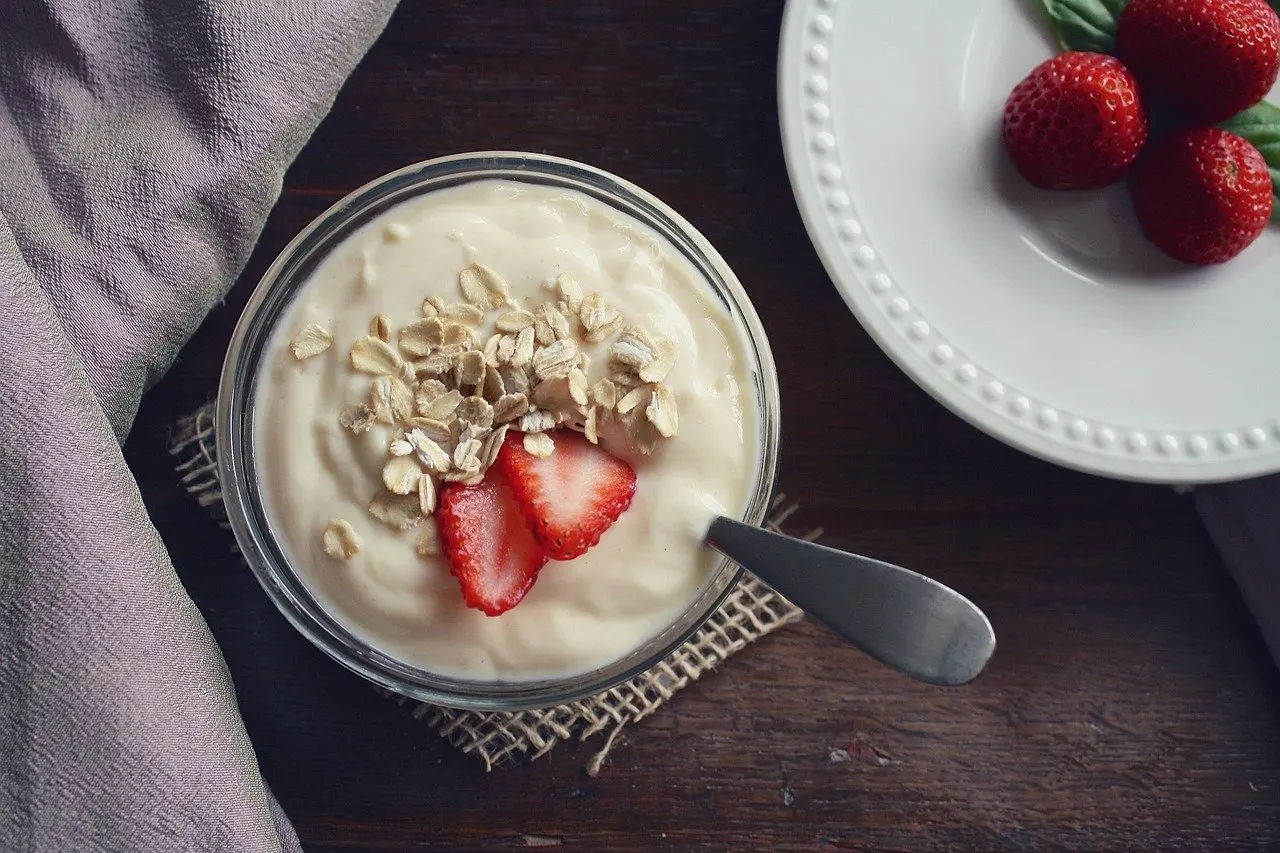
| 1-2 hours before | Snack, such as a protein smoothie with milk, protein powder and fruit | Fills the gap when a full meal is too far away. |
| Within an hour before | Piece of fruit, such as a banana or orange | A light last-minute option for people who feel hungry just before training. |
| Within 1 hour after | Protein, complex carbohydrates and healthy fats | Gives recovery a prompt start after longer or harder sessions. |
These timings come from Duke Recreation & Physical Education and Nuffield Health, which give slightly different windows for a full meal.
For most sessions, what to eat before and after exercise comes down to timing: a balanced meal or a snack beforehand, carbohydrate as the main fuel, and a protein-containing meal or snack within an hour of finishing.
How much food a session needs depends on how long and hard it is, which ties back to how much exercise do adults need per week and how that activity is spread across days.
Matching food to the session
Carbohydrates are the most important energy source for exercise, according to Duke Recreation & Physical Education. Nuffield Health adds that carbohydrate helps maximise glycogen stores for high-intensity exercise. Glycogen is the stored carbohydrate your muscles draw on, so it matters most when effort is high or the session is long.
That points to a simple judgement. An easy walk fits around ordinary meals and needs little extra planning. A longer or harder session is where a planned meal or snack earns its place. If you are unsure which category a session falls into, the talk test exercise intensity guide explains a simple way to gauge effort.
Before the session
Choosing a meal or a snack
Duke advises starting with a balanced meal 3-4 hours before exercise or a snack 1-2 hours before. Nuffield Health suggests a complete meal with carbohydrate, protein and fat 2-3 hours before. Both fit a normal day: if training follows a regular meal, eat that meal and add nothing; if there is a long gap, add a snack.
Nuffield Health also notes that the sooner you eat before a workout, the smaller and easier to digest the food should be. That rule helps when time is short.
- Plan the meal first. Build it around carbohydrate, with some protein and fat, if you have a few hours.
- Add a snack for gaps. Choose something light when the next meal is too far from the session.
- Shrink the portion as the clock runs down. Move to simple, easy-to-digest foods the closer you get to starting.
Pre workout snack ideas
Duke lists a peanut butter sandwich with half a banana, fruit with nut butter, and oatmeal with fruit as examples. Nuffield Health suggests a protein smoothie made with milk, protein powder and some fruit, or a piece of fruit such as a banana or orange when the session is close. The banana is the flexible choice: it is easy to carry and suits a short gap, while the sandwich suits a longer one.

Complex carbohydrates for longer efforts
Duke explains that complex carbohydrates are essential for maintaining energy stores and take longer to digest because of their higher fibre content. This makes oatmeal and similar foods better suited to the earlier end of the window than to the minutes before a session.
After the session
The refuelling window
Duke recommends eating within an hour of completing your exercise routine, and that food should include protein, complex carbohydrates and healthy fats. The protein helps rebuild and repair muscles, while the complex carbohydrates help maintain energy stores. Beginners can keep this simple by treating the next ordinary meal as the target, provided it falls within that hour.
- Finish properly. Use a cool down after workout so you are settled before sitting down to eat.
- Eat within the hour. Aim for a meal or snack in that window.
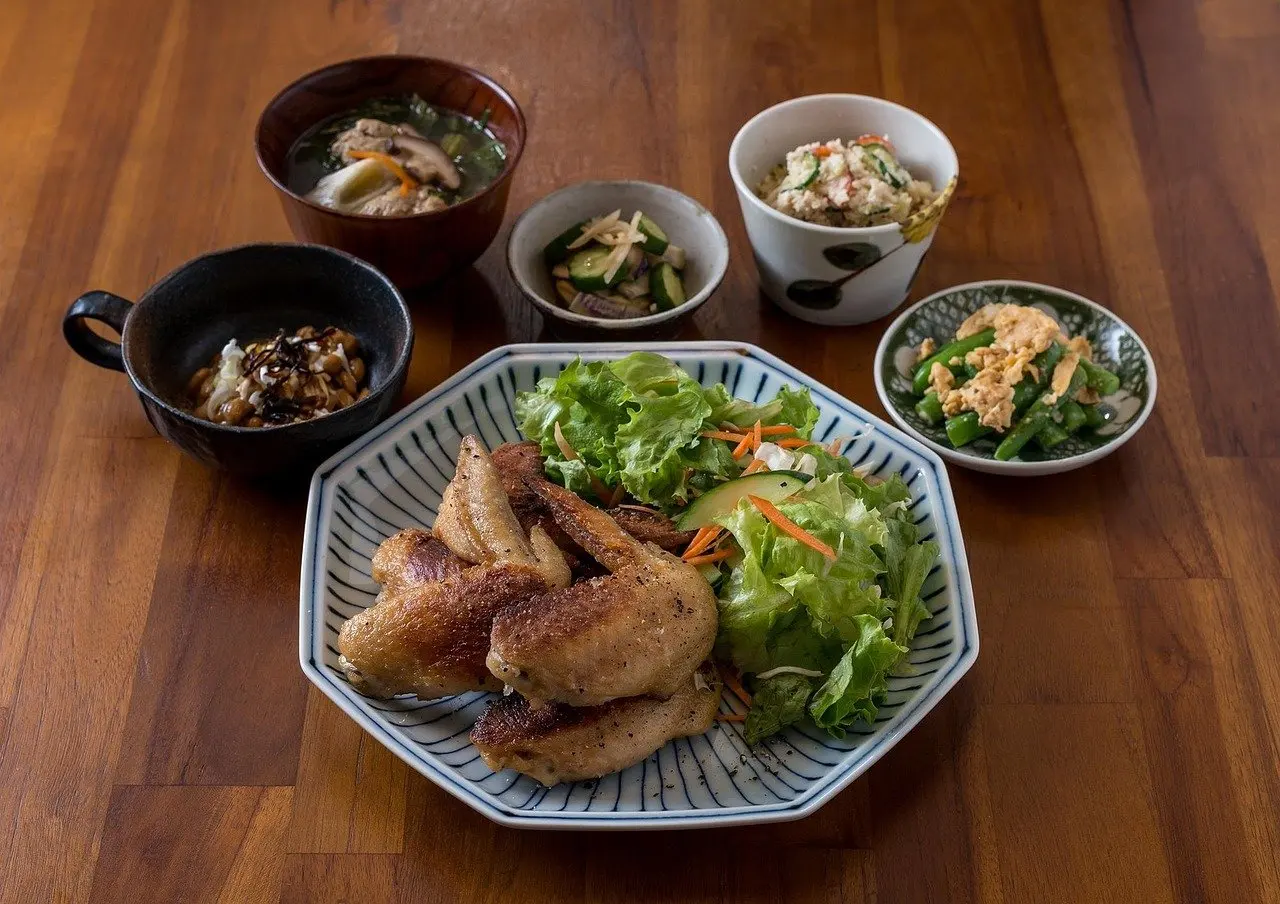
- Cover all three groups. Include protein, complex carbohydrate and healthy fat, as in a rice bowl with chicken and vegetables.
Protein straight after training
Protein is worth including at the first meal after training, though there is no need to treat it as a race. Nuffield Health states that protein improves muscle protein synthesis, the process of building muscle, and aids recovery. Duke’s guidance to eat within an hour, with protein in the meal, covers both points together.
Everyday protein sources such as milk and eggs do the job without special products. Powders are optional and only one way to hit the target.

Troubleshooting
- Stomach discomfort during training. Duke notes that eating too close to a workout can cause GI discomfort. Move the meal earlier, or swap it for a smaller, easier-to-digest snack such as fruit.
- Feeling flat in a long or hard session. Carbohydrate is the main exercise fuel, so check that the earlier meal or snack included a carbohydrate source rather than protein alone.
- No appetite after training. A small, simple snack containing protein, such as milk or a smoothie, still starts recovery within the hour.
- Easy session, hungry afterwards. Eat your normal next meal; nothing special is needed.
Frequently asked questions
What should I eat before exercise?
Choose carbohydrate-based food with some protein and fat when there is time, or a light snack such as fruit, nut butter or oatmeal when there is not.
How long before exercise should I eat?
A full meal fits 2-4 hours ahead, depending on the source. A snack suits 1-2 hours ahead. Fruit works when you are within an hour of starting.
Is a banana a good pre workout snack?
Yes. Nuffield Health lists a banana or orange as fruit for the last stretch before training, and Duke includes half a banana with a peanut butter sandwich.
Do I need protein straight after training?
Include protein in the first meal or snack you eat, ideally within an hour of finishing, to support muscle repair and recovery.