Standing in the supermarket with an empty trolley and no plan? This Mediterranean diet food list sorts every aisle into eat freely, eat in moderation and limit, so it works as a grocery checklist.
- Eat freely: vegetables, fruit, whole grains and legumes.
- Eat in moderation: olive oil, nuts, fish and seafood, and small portions of meat, dairy and cheese.
- Limit: red meat, sugary foods and drinks, and processed packaged foods.
The tiers follow the approach in the hub guide on dieta mediterranea cosa mangiare. The mediterranean diet pyramid shows the same groups ranked by how often they appear, and mediterranean diet for beginners suits anyone starting out.
Frequency at a glance
The table answers which foods are eaten daily and which only now and then. Plant foods set the daily rhythm, fish follows a weekly pattern, and animal products stay in the background.
| Food group | Typical frequency | Planning use |
|---|---|---|
| Vegetables | Three or more servings a day | Buy these first and in the largest quantity. |
| Fruit | Up to three servings a day | Choose fresh fruit for daily eating, with dried fruit as a sweetener. |
| Whole grains | The foundation of the diet | Make a grain the base of most meals. |
| Fish and seafood | A few times a week, at least two fish meals per week | Buy enough for two meals before the week starts. |
| Meat, dairy and cheese | Small portions for flavouring or garnish, daily to weekly | Buy small amounts and use them to season dishes. |
Frequencies come from the Whole Grains Council and Everyday Health.
Vegetables and fruit: eat freely
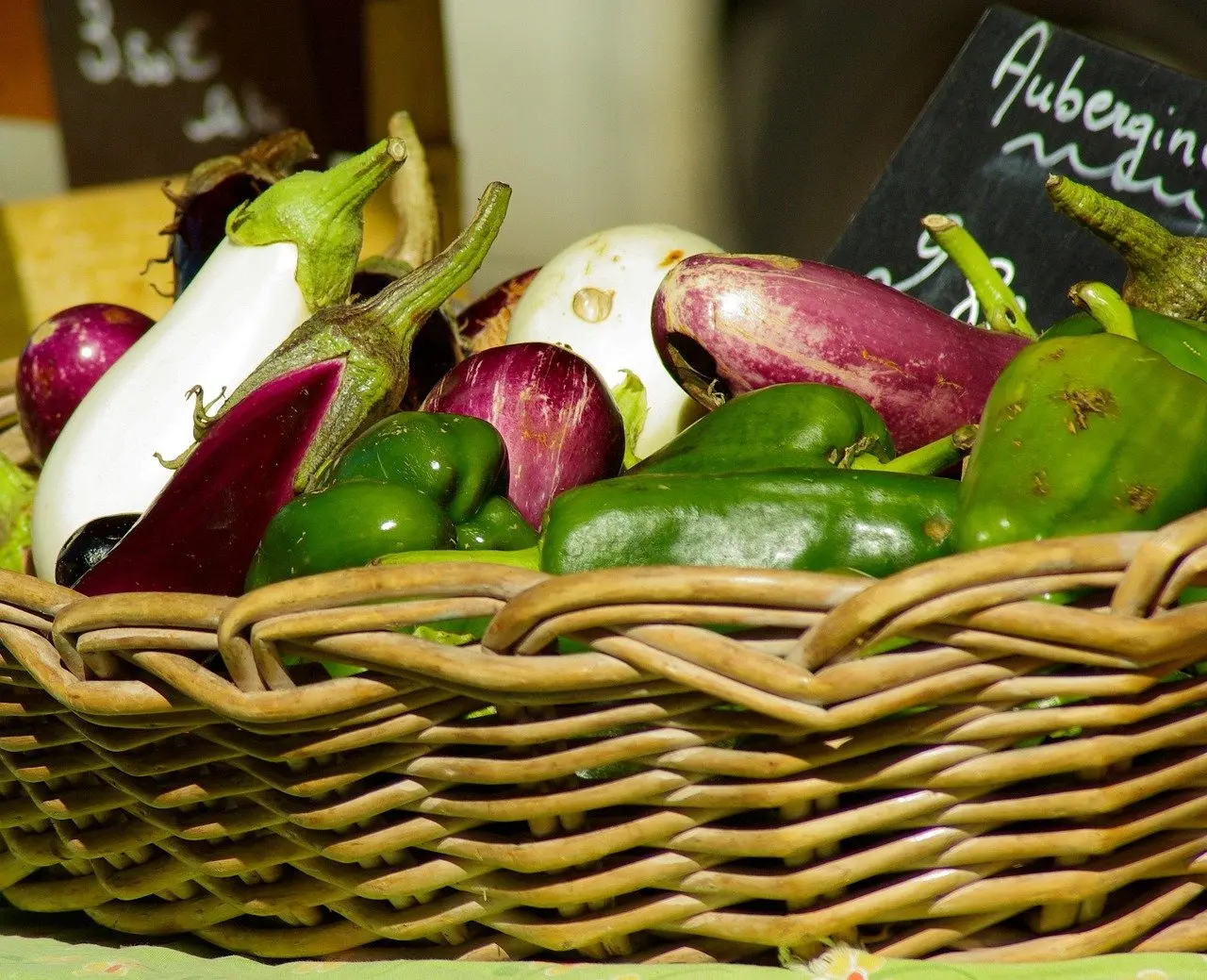
Vegetables and fruit fill most of the trolley. Everyday Health describes a typical pattern of three or more servings of vegetables and up to three servings of fruit a day. Seasonal produce keeps the basket varied without needing a fixed shopping formula.
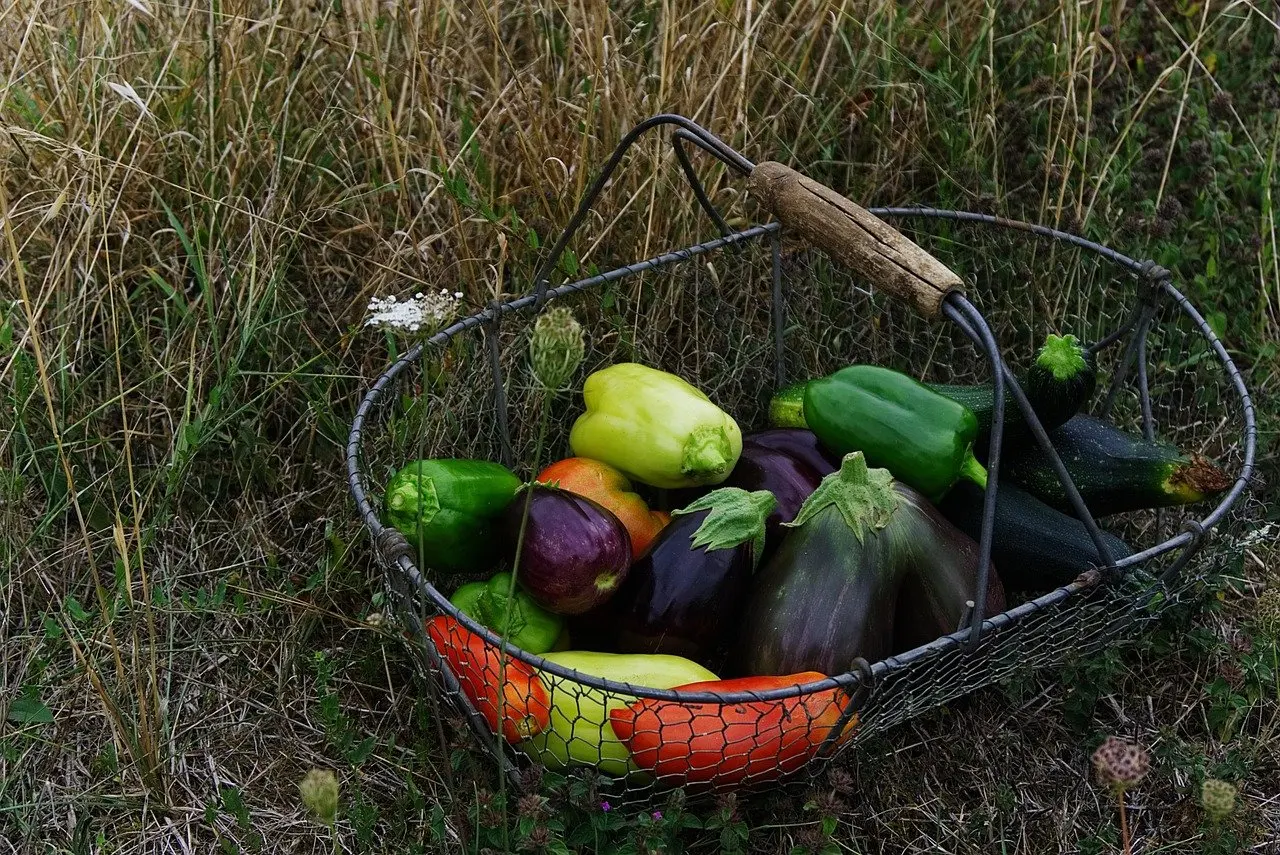
- Summer vegetables: courgettes, aubergines and peppers suit grilling, roasting and stewing, so one basket covers several meals.
- Tomatoes: fresh or tinned, they supply lycopene, an antioxidant that Everyday Health links to a reduced risk of some cancers.
- Fruit: buy what is in season. Dried fruit can sweeten dishes in place of added sugar.
Whole grains and pasta: eat freely
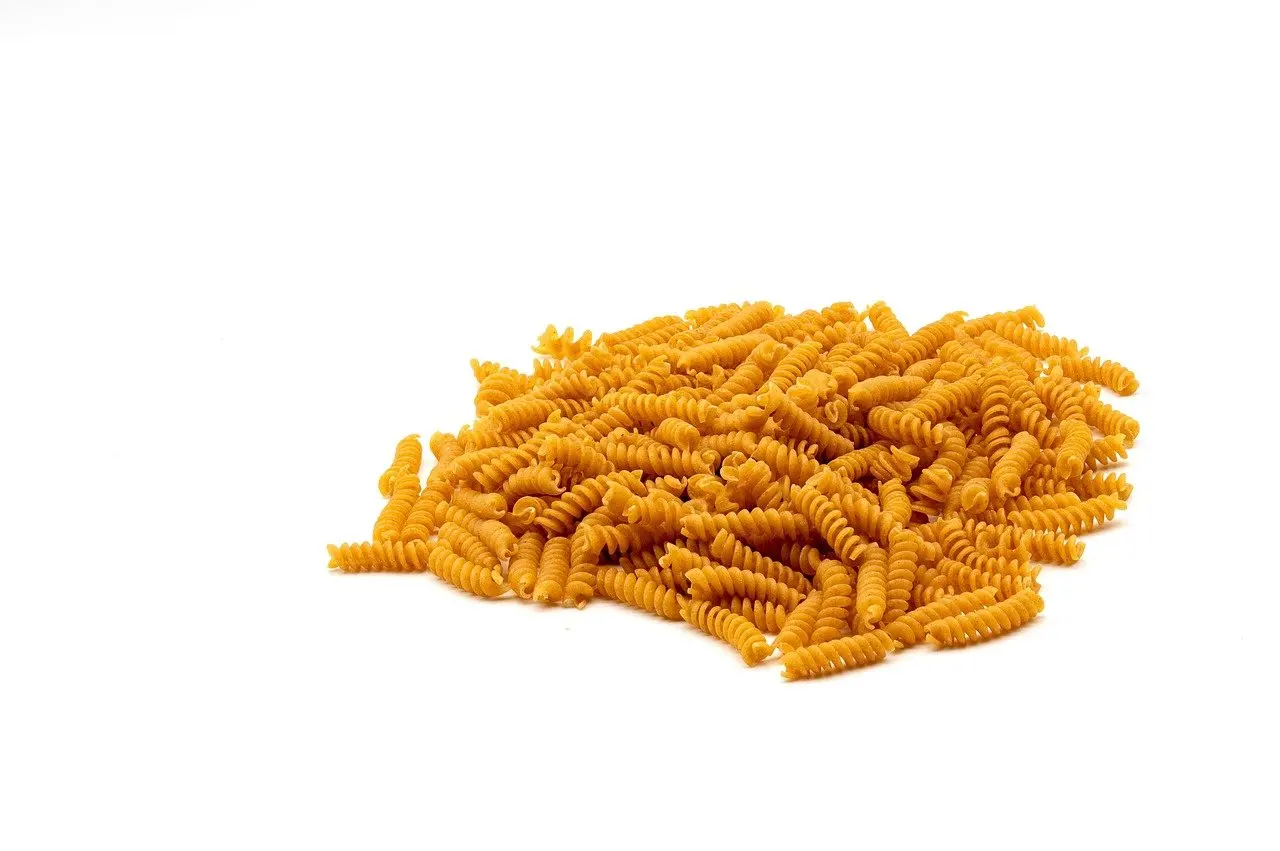
Whole grains are the base of the plate. The Whole Grains Council names barley, buckwheat, bulgur, farro, freekeh, millet, oats, brown rice, rye and spelt as the foundation of Mediterranean eating. Any of these can go on the list, and rotating them keeps meals from repeating.
Oats are a practical breakfast pick because they contain a soluble fibre called beta glucan, according to dietitians quoted by Yahoo. For pasta, look for a whole grain label on the pack. Refined pasta is a lesser choice, and the pasta shelf is where that label check matters most.
Legumes: eat freely
Legumes are the cheapest protein on the list and keep well in the cupboard. Chickpeas, for example, are described by dietitians as a nutritional powerhouse containing dietary fibre and vegetarian protein. Lentils, beans and chickpeas, dried or tinned, belong in the trolley every week and can replace meat in soups, stews and salads.
Olive oil and nuts: eat in moderation
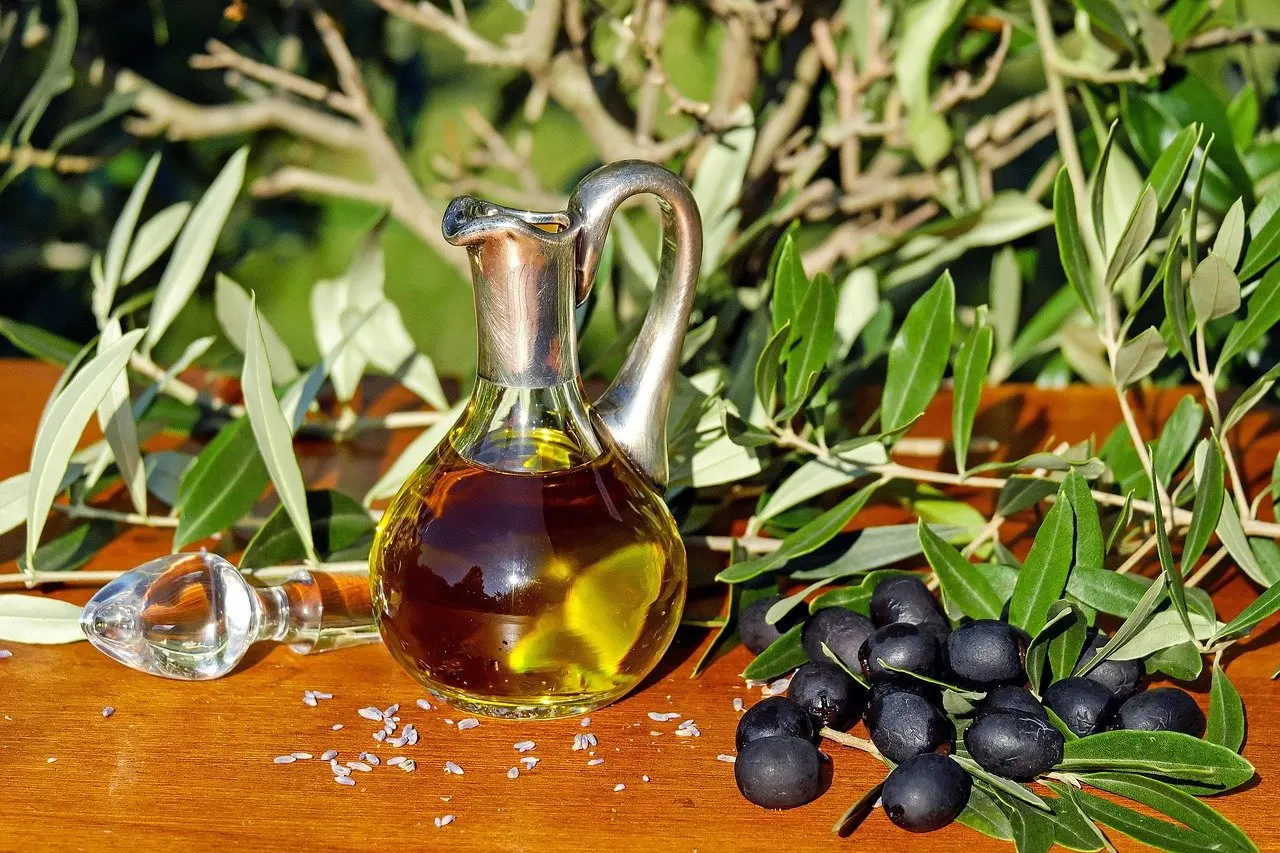
Olive oil is the main added fat, and it suits anyone who cooks daily. Everyday Health gives a tablespoon as 119 calories and 13.5 g of fat, so it is worth measuring rather than pouring freely. The heart benefit comes from replacement: swapping saturated-fat foods such as butter for plant sources like olive oil may help lower heart disease risk.
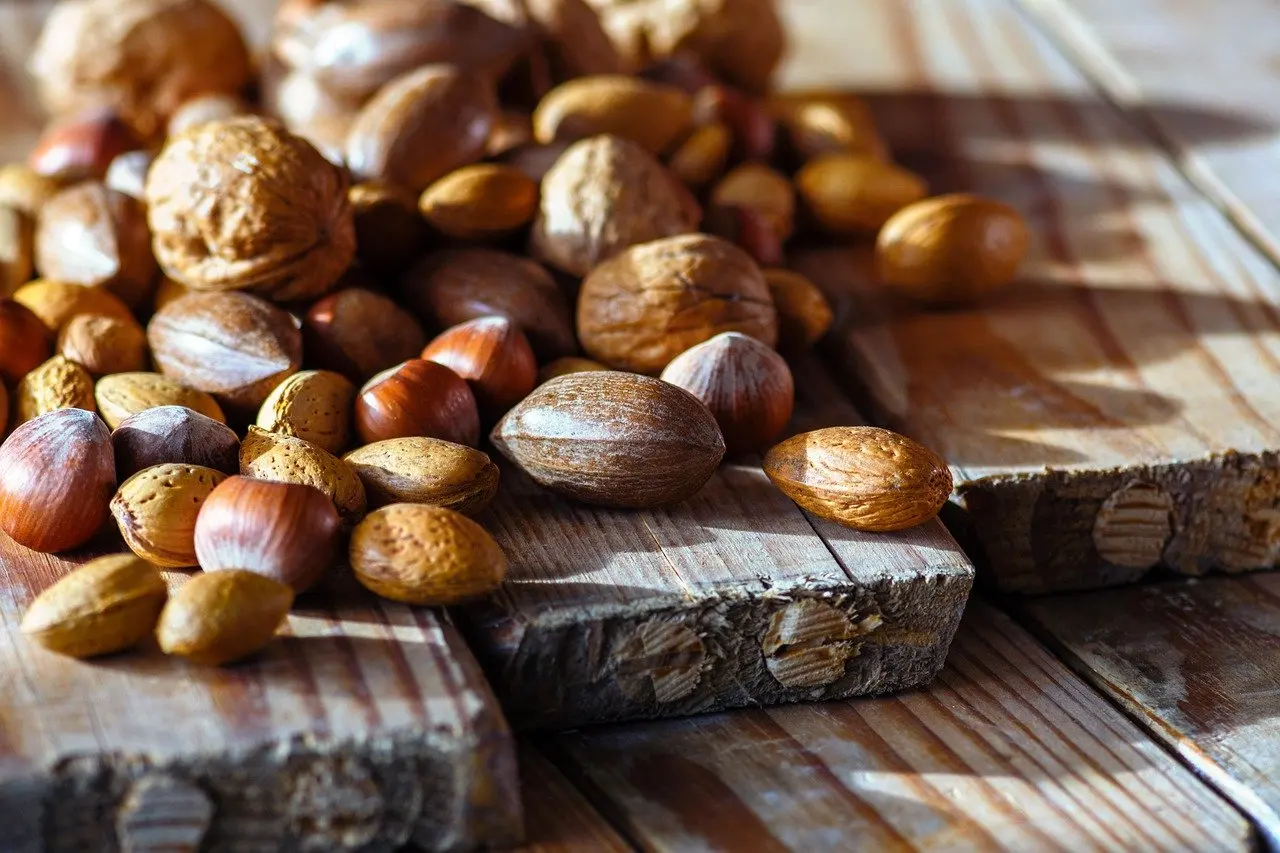
Nuts follow the same logic. A 1 oz serving of walnuts, about 14 halves, supplies 185 calories and 18.5 g of fat, according to the same guide. A small handful works as a snack or a topping. A large bag eaten freely adds energy quickly.
Fish and seafood: eat in moderation
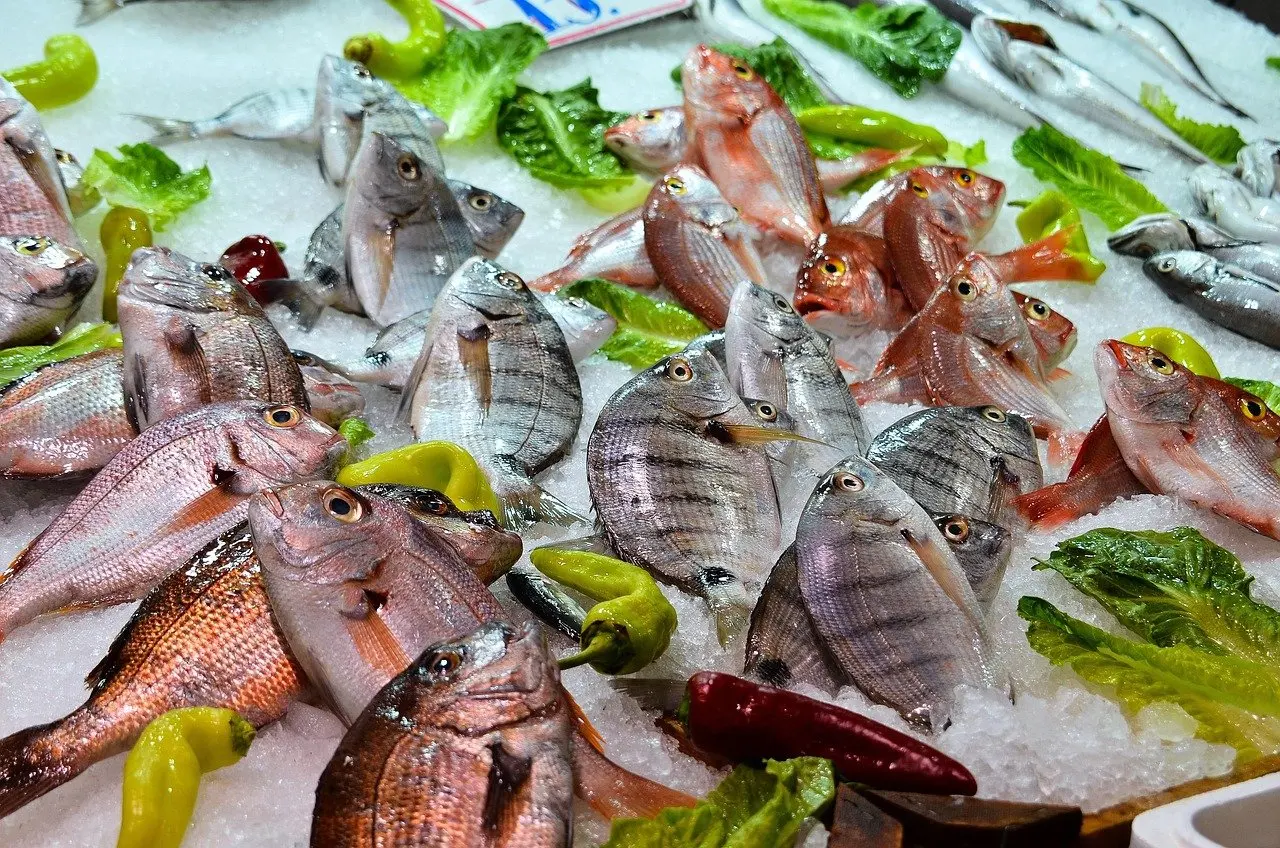
Fish is a weekly habit rather than a daily one. The Whole Grains Council says fish and seafood are consumed a few times a week. Everyday Health advises at least two fish meals per week, particularly fatty fish like salmon. A small 3 oz salmon fillet gives 130 calories and 21 g of protein.
Anyone who dislikes strong-tasting fish can start with white fish or prawns from the fish counter. Salmon remains the pick if the goal is fatty fish.
Meat, dairy and cheese: small portions
Animal products play a supporting role. The Whole Grains Council describes small portions of meat, dairy and cheese used for extra flavouring or as a garnish on a dish daily to weekly. In practice, a grated hard cheese over pasta or a little meat in a legume stew fits the pattern. A large steak as the centre of the plate does not.
Foods to avoid or limit
The list of foods to limit is short. Everyday Health says that on this diet you limit or avoid red meat, sugary foods and dairy, and that there is little room for processed fare. Processed meat belongs in that last group, and sugar-sweetened drinks sit with the sugary foods.
- Red and processed meat: leave them off the weekly list and use small amounts of meat as seasoning instead.
- Sugary foods and sugar-sweetened drinks: sweets and soft drinks add sugar, not nutrients. Dietitians quoted by Yahoo say people eating this way skip processed packaged foods and use more natural sugars and dried fruit as sweeteners.
- Packaged snacks: if a product comes in a bag with a long ingredient list, a piece of fruit or a few nuts usually replaces it.

Grocery checklist: decide before you shop
Work through the aisles in this order so that the staples fill the trolley before the extras do.
- Fill the trolley with vegetables and fruit, including tomatoes and whatever is in season.
- Add a whole grain for the base of meals, such as oats, farro, brown rice or whole grain pasta.
- Pick up two or three legumes, dried or tinned.
- Choose one bottle of olive oil and a small bag of nuts.
- Reserve fish and seafood for at least two meals this week.
- Buy only small amounts of meat, dairy and cheese.
- Walk past the sweets, soft drinks and packaged snacks.
Frequently asked questions
Can canned fish replace fresh fish?
Yes, as a practical option. Dietitians quoted by Yahoo say one 3 oz serving of canned fish can meet 100% of daily omega-3 needs.
How should food be sweetened?
Use natural sugars and dried fruit as sweeteners in place of processed sugary products, according to dietitians cited by Yahoo.
How do calories divide between carbohydrates, fats and protein?
The same dietitian-sourced article gives about 50 to 60% of calories from carbohydrates, 25 to 35% from unsaturated fats and 15 to 25% from lean protein.
Do people eat enough seafood?
Often not. Average US per capita seafood consumption is about 2.7 oz, against a recommended 8 oz per week, according to the Yahoo article. Planning fish meals into the weekly shop closes that gap.