Standing in the shop and wondering dieta mediterranea cosa mangiare? Build plates around vegetables, fruit, whole grains, legumes and extra virgin olive oil, add fish and nuts through the week, and keep red meat rare.
This guide turns that answer into weekly portions, plate examples and shopping decisions. For background on the pattern itself, start with what is the mediterranean diet, then return here when you want numbers you can cook and shop with.
Choose your starting route
Readers arrive with different needs. Pick the route that matches today’s task and follow the links outward, rather than reading everything in order.
- You are new to the pattern. Read the next two sections for the shape of a plate and the weekly portions table. Then move to mediterranean diet for beginners for a gentler on-ramp.
- You are about to shop. Use the portion table to decide what goes in the basket. The mediterranean diet food list and the mediterranean diet shopping list turn those groups into specific products.
- You want a schedule. Read the plate examples near the end, then open the mediterranean diet meal plan to see the same portions spread across a full week.
- You have a particular goal. Jump to the section on matching the pattern to a goal, which points to weight, heart, vegetarian and comparison guides.
Whichever route you take, the portion table is the reference point. Everything else in this guide explains how to meet it with ordinary food.
The shape of a Mediterranean plate
A Mediterranean plate is mostly plant food with a modest portion of protein and a measured amount of olive oil. The details below explain what that means for an adult cooking at home.
A pattern, not a formula
Cleveland Clinic describes the Mediterranean diet as a focus on overall eating patterns rather than strict formulas or calculations. That framing matters for how you use the numbers in this guide. The servings are a target for the week, not a daily test you pass or fail.
In practice, the daily core is vegetables, fruit, whole grains and extra virgin olive oil. Legumes, fish and nuts appear several times a week. Poultry and dairy are limited, and red meat is the smallest part of the pattern. A plate that is half vegetables, with a portion of grains and a portion of protein, already looks right even before any serving is counted.
If a day goes off pattern, the sensible response is to return to the pattern at the next meal. Nothing in the guidance asks for compensation or catching up.
Where the pattern comes from
The Mediterranean pyramid was created in 1993 in partnership with the Harvard School of Public Health and the World Health Organization (WHO), according to Oldways, the nonprofit that developed it. The pyramid places plant foods and olive oil at the base and meat and sweets at the top. The mediterranean diet pyramid guide shows how that layout translates into daily and weekly choices.
Weekly portions at a glance
The table below collects the portion guidance from Cleveland Clinic’s Mediterranean diet overview into one reference. Quantities are given in cups, ounces, tablespoons and slices, as the source states them.
| Food group | How often | One serving | Planning use |
|---|---|---|---|
| Vegetables | At least 3 servings per day | ½ cup cooked or 1 cup raw | Put vegetables in every main meal and treat this as a floor, not a ceiling. |
| Fruit | 3 servings per day | ½ cup to 1 cup | Use fruit as breakfast topping, snack and dessert. |
| Whole grains and starchy vegetables | 3 to 6 servings per day | ½ cup cooked grains, pasta or cereal; 1 slice of bread; 1 cup dry cereal | Smaller appetites sit near the lower end; active days can move higher. |
| Extra virgin olive oil | 1 to 4 servings per day | 1 tablespoon | Use it as the main cooking and dressing fat. |
| Legumes | 3 servings per week | ½ cup | Plan them as the centre of several lunches or dinners. |
| Fish | 3 servings per week | 3 to 4 ounces | Schedule fish on fixed evenings so it actually happens. |
| Nuts | At least 3 servings per week | ¼ cup nuts or 2 tablespoons nut butter | Useful as a snack or a salad topping. |
| Poultry | No more than once daily | 3 ounces | Fewer servings may be better, so it is optional rather than daily. |
| Dairy | No more than once daily | 1 cup milk or yogurt, or 1½ ounces natural cheese | Choose one dairy item a day at most. |
| Red meat | None, or no more than 1 serving per week | 3 ounces | Treat it as an occasional item. |
These figures come from Cleveland Clinic’s Mediterranean diet guidance, which presents them as a pattern to follow rather than a rigid calculation.
Reading the table sensibly
The table has three kinds of numbers, and they should not be confused. Vegetables carry a minimum. Poultry, dairy and red meat carry maximums. Whole grains, fruit and olive oil carry a range or a target. Treat the minimums as the habit to build first, and the maximums as limits that stop the protein side of the plate from growing.
Fish is the one item where guidance differs slightly. Either is a reasonable weekly rhythm, and the difference is small enough that the choice can follow what is available and affordable.
A practical way to start is to fix the weekly items first. Decide which evenings feature fish, which feature legumes, and where nuts fit. The daily items then fill in around them without much planning.
Vegetables first
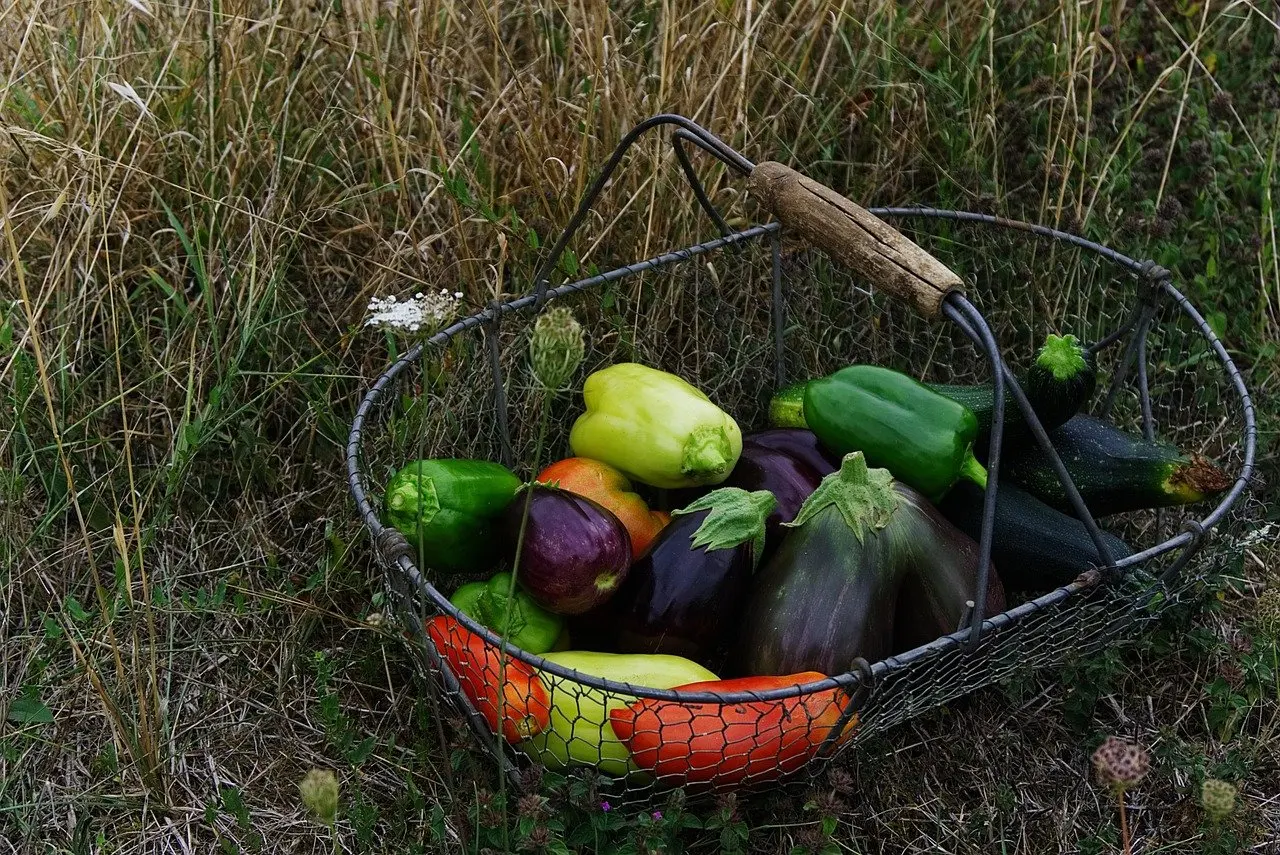
Vegetables are the largest daily commitment in the pattern: at least 3 servings per day, where a serving is ½ cup cooked or 1 cup raw, according to Cleveland Clinic. The simplest way to meet it is to give vegetables a place at each main meal rather than hoping for one large salad in the evening.
Raw and cooked vegetables count differently by volume, so a handful of salad leaves is a smaller contribution than it looks. A bowl of raw vegetables works as one serving, while a smaller scoop of cooked vegetables does the same job. Mixing the two across the day makes the target easier to hit.
Making vegetables the default
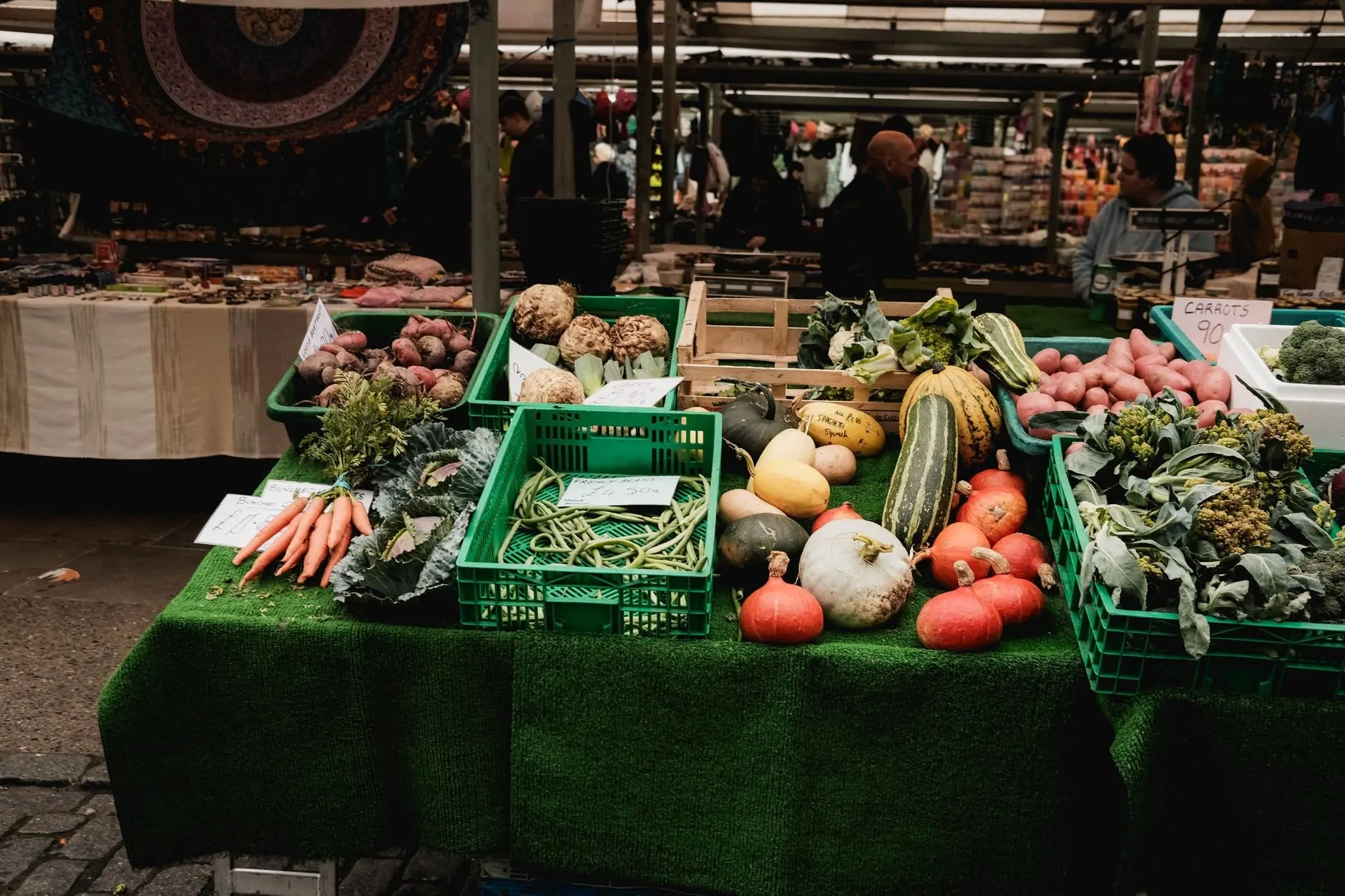
Choose vegetables by what looks best at the stall, then decide how to cook them. That order keeps the habit flexible and avoids a rigid shopping list. Roasted, steamed, raw and soup-based versions all count towards the same target.
Starchy vegetables such as potatoes, peas and corn sit in the whole grain group in this guidance, not the vegetable group. If a meal has potatoes as its main vegetable, add a non-starchy side to keep the vegetable count honest.
Whole grains and fibre
Whole grains and starchy vegetables are the base of the day: 3 to 6 servings per day, with a serving defined as ½ cup cooked grains, pasta or cereal, 1 slice of bread, or 1 cup dry cereal, per Cleveland Clinic. The wide range lets the amount follow your appetite and activity.
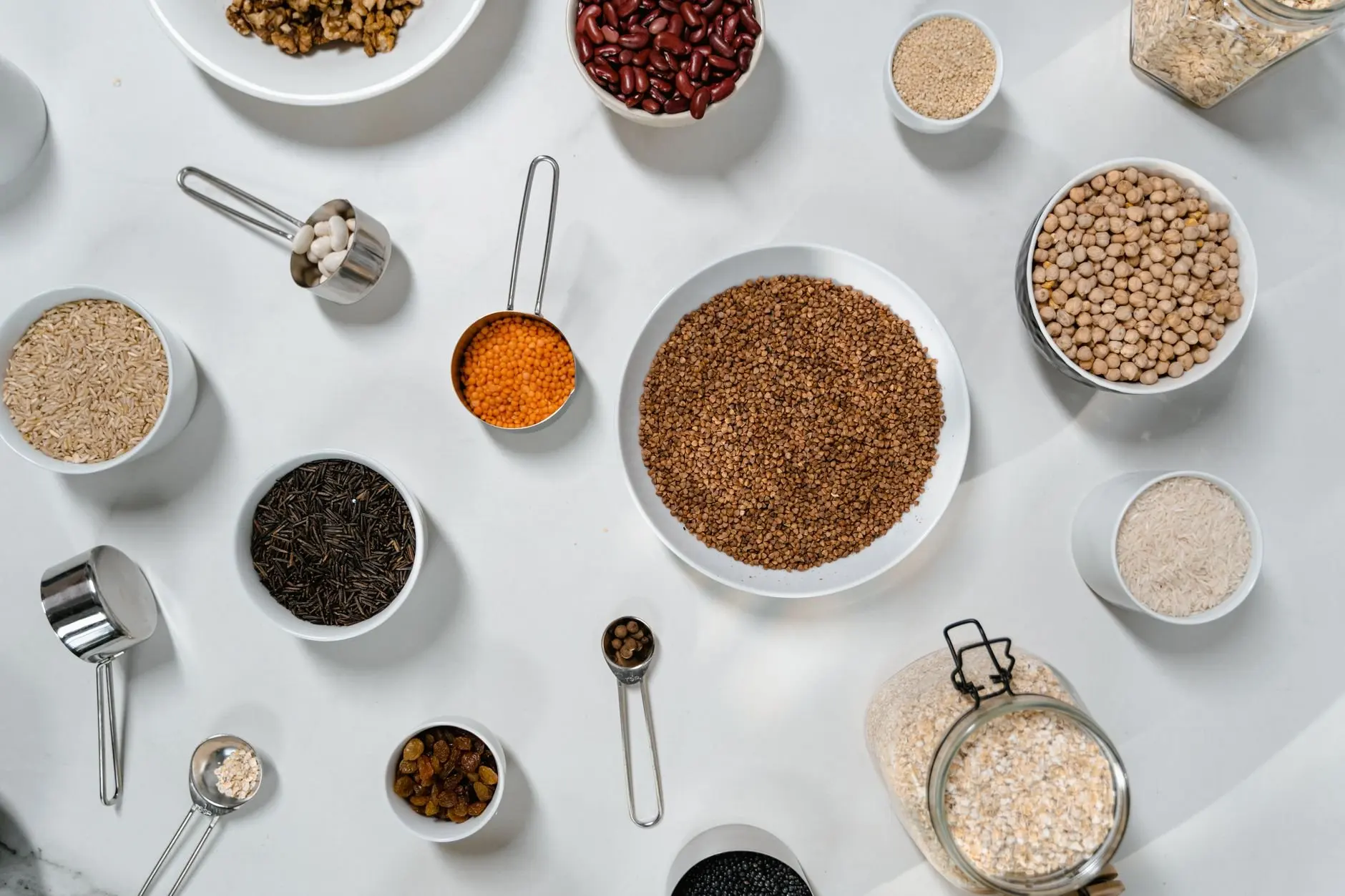
Choosing whole over refined matters mostly because of fibre. Oldways notes that whole grains such as bulgur and brown rice have more fibre and more protein than their refined counterparts, and Cleveland Clinic points out that refined carbohydrate foods often have little or no fibre. For dietary fibre, the grain swap is therefore one of the easiest changes in the pattern.
Swaps that raise fibre
A nutrition guide from the sports-nutrition publisher Myprotein advises choosing high-fibre, low-GI wholegrains instead of white bread, white rice and pasta. The practical translation is to replace the refined staple you already buy rather than add new foods.
- Bread: switch the loaf you buy for a wholegrain one, and count 1 slice as a serving.
- Pasta and rice: choose wholegrain pasta or brown rice, and measure ½ cup cooked as a serving until the portion feels familiar.
- Breakfast cereal: pick a cereal whose first ingredient is a whole grain, then measure 1 cup dry as a serving.
- Bulgur and similar grains: use them in salads where the nutty texture works, since Oldways cites bulgur among the whole grains with more fibre.
Reading a label
Packaged bread, pasta and cereal vary widely, so the label does the work that appearance cannot. Look for the word whole at the start of the ingredient list, and compare fibre per portion between two similar products. A brown colour alone does not make a loaf wholegrain. If two products are close, choose the one with the higher fibre value.
Legumes, fish and other protein
Protein in the Mediterranean pattern comes mostly from plant sources and fish, with poultry, dairy and red meat acting as limited extras. The weekly rhythm is more important than any single serving.
Legumes as the anchor
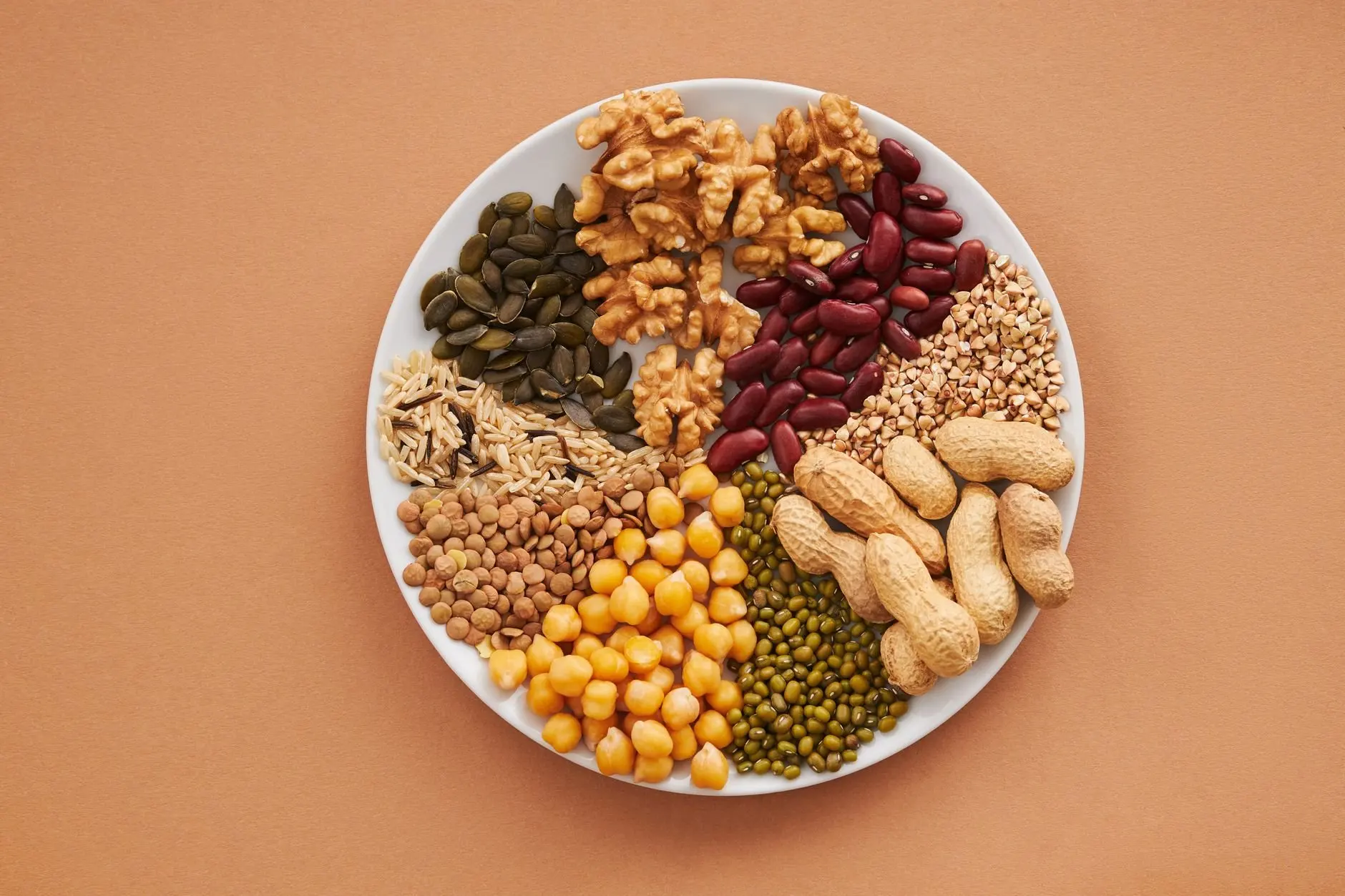
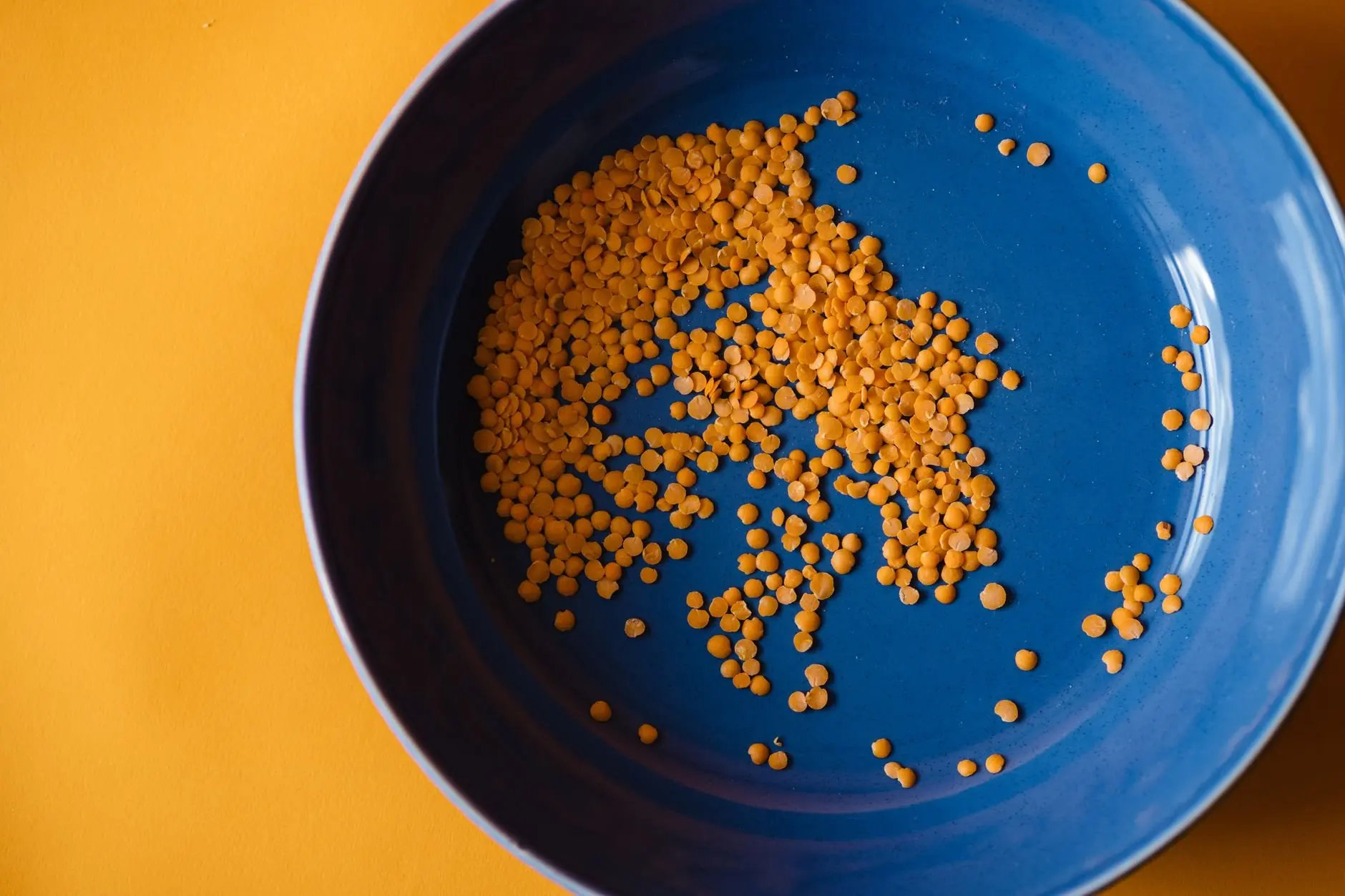
Legumes, meaning beans and lentils, are listed at 3 servings per week, with ½ cup as a serving, according to Cleveland Clinic. They supply both protein and fibre, which is why they do so much work in this pattern. Oldways also recommends eating vegetarian once a week, and a legume-based meal is the obvious way to do it.
Fish and seafood
Both place fish ahead of meat as the regular animal protein. Fixing the fish evenings in advance is more reliable than deciding on the day.
Poultry, dairy and red meat
Poultry and dairy are each capped at no more than once daily, and Cleveland Clinic adds that fewer may be better. A poultry serving is 3 ounces. A dairy serving is 1 cup of milk or yogurt, or 1½ ounces of natural cheese. Red meat is none, or no more than 1 serving per week at 3 ounces.
Oldways suggests using meat as a garnish instead of a main course, or choosing a smaller portion. That works well in stews, sauces and grain dishes, where a little meat flavours a large volume of vegetables or legumes.
Nuts and nut butters
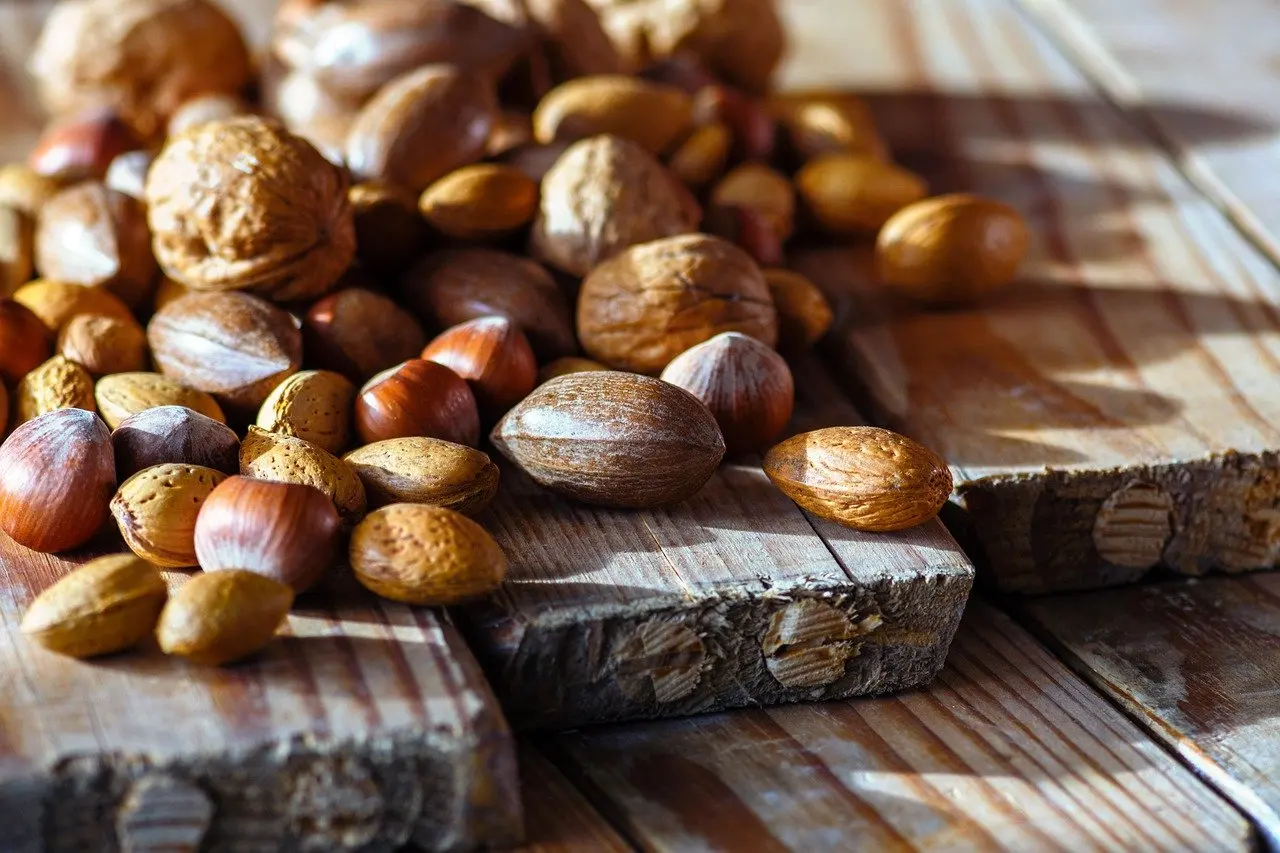
Nuts are listed at no fewer than 3 servings per week, with ¼ cup of nuts or 2 tablespoons of nut butter as a serving. They add protein and fat to a plate, and they pair well with fruit, yogurt or salads. A small handful measured once makes the serving easy to recognise afterwards.
What this means for protein overall
For an adult eating this way, protein is spread across the day rather than concentrated in one large portion of meat. Whole grains, legumes, nuts, fish, poultry and dairy all contribute. A recipe roundup of Mediterranean dinners describes its selected recipes as packed with 6 grams of fibre and/or 15 grams of protein per serving. That is a recipe-level benchmark for a single dinner, not a daily requirement, and it shows how a plant-forward dinner can still be filling.
Olive oil and other fats
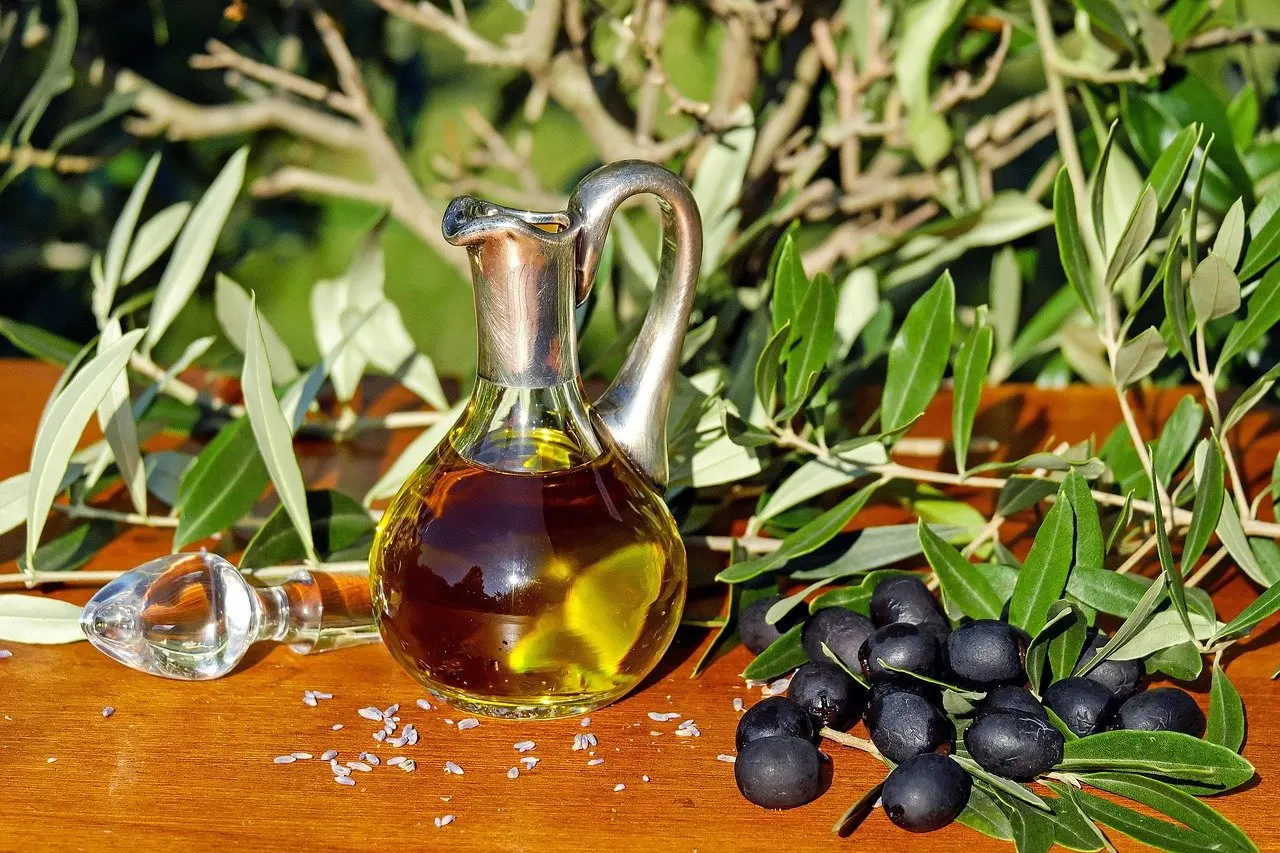
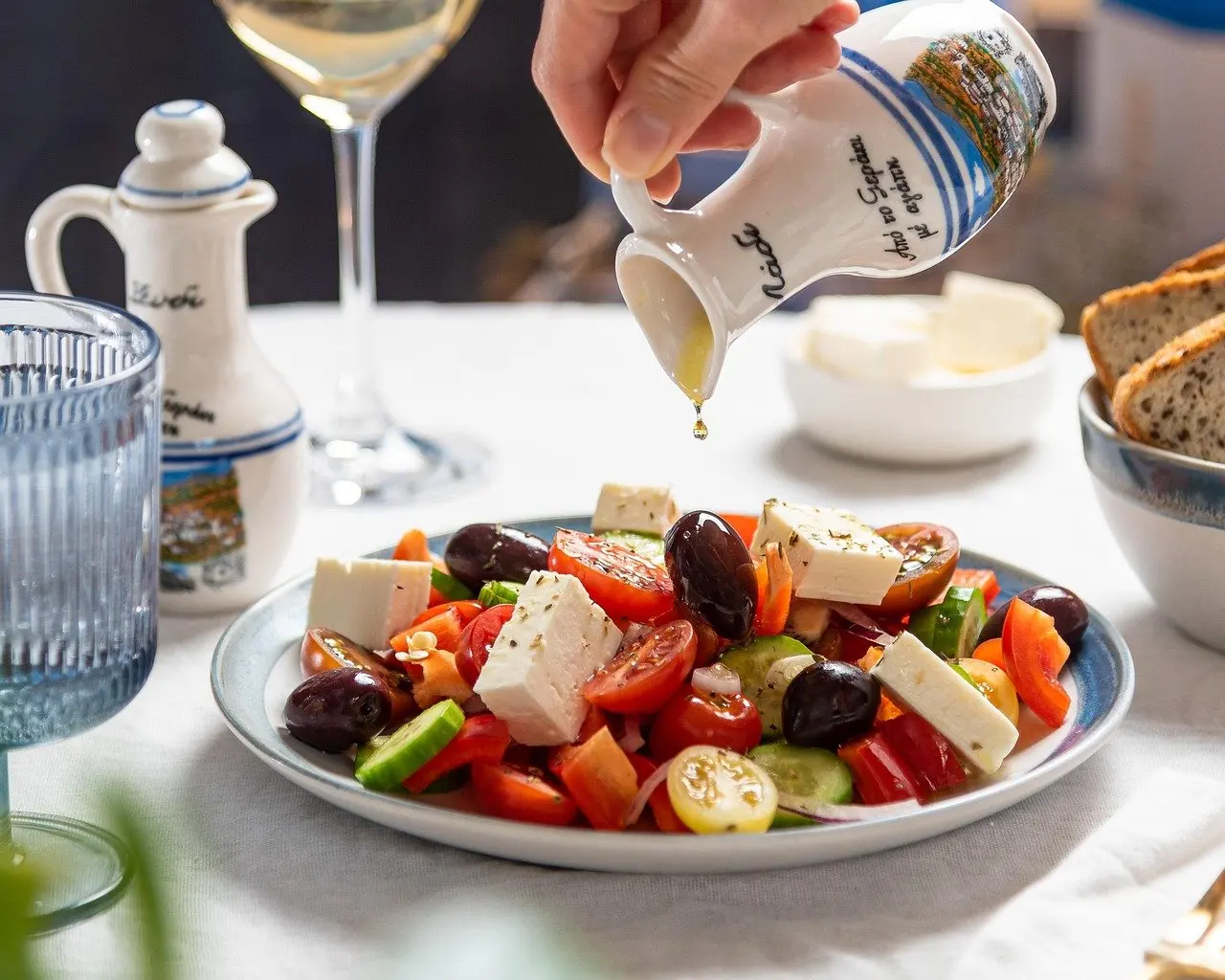
Yes, olive oil can be eaten daily within this pattern, because extra virgin olive oil is described by Cleveland Clinic as the main source of fat. The guidance is 1 to 4 servings per day, with 1 tablespoon as a serving.
Using it as a measured ingredient
The tablespoon serving is what keeps daily use sensible. Oil is easy to pour in generous amounts, so measuring it for a week or so gives a reliable sense of one serving. After that, most people can pour by eye with reasonable accuracy.
The simplest places to use it are salad dressings, vegetable roasting, finishing soups and cooking fish or legumes. Using it in place of other fats, rather than in addition to them, is what makes it the main fat rather than an extra.
Other fat sources
Oldways lists extra-virgin olive oil, nuts, peanuts, sunflower seeds, olives and avocados as sources of healthy fats to include in meals. These overlap with the nut servings in the table, so a plate with olives and seeds does not need extra oil on top. If a meal already includes avocado or nuts, use less oil there and keep it for dishes that have no other fat.
Fruit, snacks and drinks
Fruit is set at 3 servings per day, with a serving of ½ cup to 1 cup, per Cleveland Clinic. It is the natural bridge between meals and the most convenient route for the afternoon snack.

Snacks that fit the pattern
The pattern already contains good snack material: fruit, nuts and a portion of dairy. A piece of fruit with a measured handful of nuts covers two servings from the table in one sitting. The mediterranean diet snacks guide gives more combinations, and it helps to keep one portable option in your bag or at your desk.
Sweets and desserts
Sweets sit at the top of the pyramid, which means occasional rather than daily. Fruit is the default dessert, and richer options can be saved for meals where they are a deliberate choice. The mediterranean diet desserts guide covers how to keep them in proportion.
Drinks
Water is the simplest everyday drink to pair with these meals, and flavouring it with citrus or herbs adds variety without changing the food plan. Drinks stay in the background of this pattern: the portion guidance concerns food, so the main drink decision is simply to avoid letting liquid calories crowd out the fruit and vegetables above.
Plate examples through the day
The portions above become real once they are assigned to meals. The examples here use only the groups and serving sizes from the table, so they can be adapted to local ingredients.
Breakfast
A bowl of wholegrain cereal with fruit and a few nuts covers whole grains, fruit and nuts before the day begins. Yogurt with fruit is a good alternative when dairy is the morning choice. Ideas with more variety are in the mediterranean diet breakfast ideas guide.
Lunch
A lentil or bean soup with a slice of wholegrain bread and a vegetable side works as a legume meal that also reaches the whole grain and vegetable targets. Dress any salad with a tablespoon of olive oil. See mediterranean diet lunch ideas for lunches that travel well.
Dinner
A fish evening can pair a serving of fish with wholegrain pasta or a grain side and a generous portion of vegetables cooked in olive oil. A poultry evening keeps the meat to a small portion and fills the rest of the plate with vegetables and grains. Longer recipe ideas appear in the mediterranean diet dinner ideas guide.
Planning ahead
The weekly items are the ones that benefit from planning: legumes, fish and nuts. Cooking a pot of beans or grains in advance and portioning it makes the legume and whole grain targets close to automatic. The mediterranean diet meal prep guide covers batch cooking in more detail.
Matching the pattern to a goal
The same pattern serves several goals, but each reader should use it slightly differently.
- Managing weight. The pattern’s emphasis on vegetables, legumes and measured oil gives plenty of volume on the plate. The mediterranean diet for weight loss guide explains how to apply it with that aim in mind.
- Heart health. Readers with a cardiovascular concern should look at mediterranean diet heart health, and discuss any dietary change with a doctor if they take medication or have a diagnosed condition.
- Eating less meat. Because red meat is already optional in this guidance, the pattern adapts well to meat-light eating. The vegetarian mediterranean diet guide covers the fully meat-free version.
- Comparing approaches. If you are choosing between plans, mediterranean diet vs dash diet sets the Mediterranean pattern beside other well-known ones.
The core habits stay constant across these goals: vegetables at every main meal, whole grains instead of refined ones, legumes and fish on a weekly schedule, olive oil as the main fat, and meat in small, infrequent portions. Adjust the goal-specific details on top of that base rather than replacing it.
Frequently asked questions
| Question | Answer |
|---|---|
| How much fibre should an adult eat per day? | The Mediterranean portion guidance is food-based and does not set a daily gram figure. For a gram target, use the national dietary reference value for your age and sex. Whole grains, legumes, vegetables and fruit are the foods that supply fibre across the day. |
| How much protein do adults need? | The pattern spreads protein across legumes, fish, nuts, whole grains, and limited poultry and dairy, rather than relying on large meat portions. A daily gram requirement depends on the national reference value for your age and body size, so check that figure for your situation. |
| Can I follow this pattern without eating meat? | Largely yes. Red meat can be none, poultry is optional, and Oldways suggests a vegetarian meal once a week. Legumes, nuts, whole grains and dairy then carry more of the protein load. |
| Which countries does the Mediterranean diet come from? | It originates from the countries bordering the Mediterranean Sea, including Portugal, France, Italy, Spain and Greece, according to a nutrition explainer. |