
A reader who eats well but sees no change on the scale usually needs an adjustment. The mediterranean diet for weight loss works when a calorie deficit is built into the plan and regular activity sits alongside it.
The pattern is built on olive oil, fish, vegetables and less red meat. The wider food groups and how to balance them are covered in dieta mediterranea cosa mangiare. This guide covers the weight-loss side: calories, realistic timelines, a worked week and what to check when progress stalls.
Why a healthy pattern still needs a calorie deficit
The Mediterranean diet can support weight loss, but the pattern alone does not guarantee it. A Disabled World guide to the diet says anyone who wants to lose weight on it should build a “calorie deficit” into the plan, meaning eating fewer calories than before.
This is the most common reason people stall. The foods in the diet are generally regarded as wholesome, which makes it easy to assume that any portion is fine. Wholesome food still contributes energy. If the amount eaten each day matches what the body uses, weight stays where it is, however good the ingredients.
The practical decision is therefore not whether the diet is healthy but whether the plan has a deficit. If the answer is not clear, compare the food eaten now with the food eaten before the change. When portions of bread, pasta, oil and snacks are unchanged and the Mediterranean foods have been added on top, there is probably no deficit yet.
Setting a calorie target
There is no single calorie figure that suits every adult on this diet. The right daily amount depends on body size, age, sex and how active the day is, so any number copied from a stranger’s plan may be too high or too low for the person following it.
A sensible approach is to treat the deficit as a modest step down from the current habit rather than a dramatic cut. A dietitian or doctor can set an individual figure, which matters most for anyone with a medical condition, anyone who is pregnant or breastfeeding, and older adults.
- Start from current habits. Note what is eaten on a typical day, then reduce the most energy-dense extras first, such as sugary drinks, pastries and oversized portions of starch.
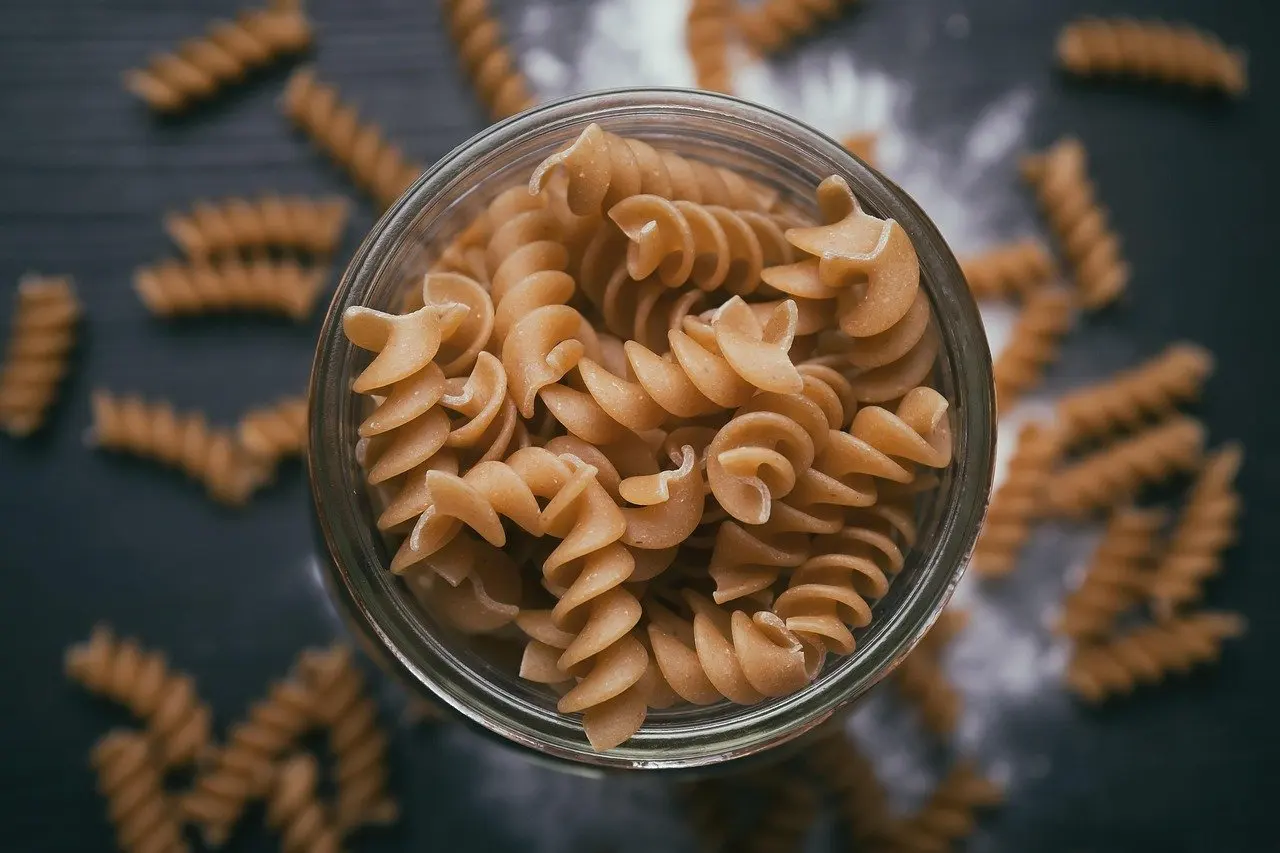
- Weigh the staples. Dry foods such as pasta, rice and bread are easy to over-serve by eye. A kitchen scale makes the portion a decision rather than a guess.
- Keep the deficit sustainable. A plan that leaves a person constantly hungry tends to collapse. Filling the plate with vegetables helps keep meals satisfying while total energy falls.
Olive oil, fish and the rest of the plate
The Mediterranean pattern uses olive oil as its main fat. Disabled World describes it as a monounsaturated oil that provides a good fat content. That makes it a sound everyday choice, but a good fat is not a free one when a deficit is the aim. Measure it with a spoon rather than pouring from the bottle, and use enough to make vegetables and pulses appealing without letting it become the largest source of energy in the meal.

Fish and red meat
A weight-loss guide to the diet describes the pattern as fish at least twice a week, with less red meat and added sugar. Fish therefore takes the place that red meat might otherwise hold on the plate. It suits people who want a protein-rich main course that is not heavy, and it is easy to plan: pick two fixed days and build the rest of the week around them.
Vegetables as the bulk of the meal
Large servings of vegetables and salads give a meal volume without making it heavy. Dressing them with a measured amount of olive oil keeps the Mediterranean character while holding down the total. A mixed plate of grilled fish, salad and wholegrain bread is a reliable template for lunch or dinner.

A worked weekly meal outline
A weight-loss week on this diet repeats a simple structure: vegetables at most meals, wholegrain starch in measured portions, olive oil as the only added fat, fish on two fixed days and red meat kept occasional. The outline below is an illustration of how the pattern fits together, not a prescription. Adjust quantities to the calorie target a health professional has set. A mediterranean diet shopping list makes it easier to stock the week in one trip.
- Monday: vegetable and bean soup with wholegrain bread; grilled vegetables with a small portion of pasta in the evening.
- Tuesday: grilled fish with a large salad and wholegrain bread (the first fish day).
- Wednesday: lentil or chickpea stew with seasonal vegetables; fruit as a snack.
- Thursday: wholegrain pasta with a tomato and vegetable sauce, weighed dry before cooking, plus a side salad.
- Friday: baked or grilled fish with roasted vegetables (the second fish day).
- Saturday: omelette with leafy greens and a vegetable side; fresh fruit to finish.
- Sunday: a larger shared meal built around vegetables and whole grains, with red meat as a small, occasional part of the plate if wanted.
Breakfasts can stay simple, for instance wholegrain bread or fruit, with sugary options kept to a minimum in line with the pattern’s emphasis on less added sugar. Writing the week down in advance removes the daily decision, which is often where unplanned snacks and oversized portions creep in.

Adding physical activity
Physical activity matters for both losing weight and keeping it off. The Disabled World guide calls it extremely important for anyone who wishes to lose weight or maintain their weight, and points to daily walking and regular activity as the practical form.
For most adults, walking is the easiest place to start because it needs no equipment and fits around work. Choose a route and time that can be repeated most days, and treat it as part of the plan rather than a reward for eating well. Anyone with a heart condition, joint problems or a long break from exercise should check with a doctor before raising intensity. The link between this eating pattern and the cardiovascular system is explored further in mediterranean diet heart health.
Realistic timelines
There is no fixed date by which the Mediterranean diet produces results. The pace depends on the size of the calorie deficit, how consistently it is kept and how much activity is added, so two people following the same menu can see different changes.
Judge progress over a stretch of weeks rather than day to day, because daily weight fluctuates. If the trend stays flat after a fair period of consistent effort, the sensible response is to review portions and activity, not to abandon the pattern. Steady, modest change is easier to sustain, which matters because the same guidance stresses keeping the weight off as well as losing it.
Troubleshooting a stalled plan
When the scale does not move, check the plan against the elements that drive the result. The table matches common problems to the cause most consistent with the guidance above.
| What is happening | Likely cause | What to change |
|---|---|---|
| Weight is flat despite Mediterranean foods | No calorie deficit; foods were added on top of old habits | Reduce portions of starch and extras so total intake falls |
| Salads and vegetables taste good but meals feel heavy | Olive oil poured freely rather than measured | Measure the oil and keep it as the main added fat |
| Sweet drinks and desserts creep in | Added sugar is not being limited | Replace them with fruit and water |
| Activity happens only now and then | Daily movement is missing | Set a repeatable daily walk |
These adjustments follow the calorie-deficit and activity advice in Disabled World’s Mediterranean diet guide and the fish, red meat and added sugar pattern described in the weight-loss meal guide.
Change only one or two items at a time. That makes it clear which adjustment helped, and it keeps the plan realistic enough to follow beyond the first enthusiastic fortnight.
Frequently asked questions
| Question | Answer |
|---|---|
| Does olive oil stop weight loss? | No, but it counts toward total intake. It is a monounsaturated oil and the diet’s main fat, so keep using it while measuring the amount. |
| Is exercise compulsory on this diet? | It is strongly encouraged. Daily walking and regular activity are described as extremely important for losing and maintaining weight. |
| Does the diet mean giving up red meat completely? | No. The pattern calls for less red meat and added sugar, with fish at least twice a week. |
| Who should get personal advice before starting? | Anyone with a medical condition, pregnant or breastfeeding women and older adults should ask a doctor or dietitian to set a calorie target. |