
| Evidence point | What it shows | Planning use |
|---|---|---|
| Cardiovascular disease incidence | Approximately 30% lower in the Mediterranean diet groups than on the control diet | A strong reason to adopt the eating pattern, but a group-level result and not a personal guarantee |
| Trial design | 7447 participants at high cardiovascular risk, assigned to one of three diets | Most directly relevant to adults with raised heart risk; for lower-risk adults it is supportive evidence |
| Reanalysis | 1588 participants with known or suspected assignment problems omitted; no significant change in the results | The retraction did not cancel the finding, so cite the republished analysis |
| Wider evidence | PREDIMED is one portion of a large body of evidence; strong evidence supports the traditional Mediterranean diet as a healthy eating pattern | Judge the diet on the whole body of research, not on a single paper |
The figures above come from the Harvard T.H. Chan School of Public Health’s Nutrition Source account of the PREDIMED retraction and republication.
For Mediterranean diet heart health, the best-known evidence is the PREDIMED trial, where Mediterranean diet groups had approximately 30% lower cardiovascular disease incidence than a control diet. The finding survived a reanalysis, but it applies most clearly to adults at high risk.
Readers who want the foods themselves can start with dieta mediterranea cosa mangiare in the balanced eating guide. Anyone mainly interested in body weight will find a separate discussion in mediterranean diet for weight loss.
What the PREDIMED trial found
Design and size
PREDIMED enrolled 7447 participants at high cardiovascular risk and assigned them to one of three diets. Harvard’s Nutrition Source describes it as the largest dietary intervention trial to assess the effects of the Mediterranean diet, according to its summary of the republished study.

The word “intervention” matters. Participants were given a diet to follow, rather than being asked to recall what they usually ate. That design lets researchers compare groups that differ mainly in diet, which is a stronger basis for cause and effect than comparing people who happen to eat differently.
The headline result
The incidence of cardiovascular disease in the Mediterranean diet groups was lowered by approximately 30% compared with the control diet. Cardiovascular disease is the broad category of heart and blood-vessel disease, so the result concerns heart-related events as a whole and not one narrow measurement.
The comparison is between groups of people. It describes what happened across the trial, and it does not promise that any single adult will see the same reduction.

Retraction and reanalysis
The New England Journal of Medicine retracted the 2013 PREDIMED paper on June 13, 2018. The reason was problems with randomization, including the enrollment of household members without randomization. Harvard’s Nutrition Source also notes that trial-group assignments were known or suspected to be irregular for 1588 participants.
The researchers then re-ran the analyses omitting those 1588 participants and republished the work. According to the Harvard summary, there was no significant change in the results of the trial when the data were reanalyzed. A retraction with an unchanged result is a correction of method, not a reversal of the finding. Cite the republished version if you quote the trial.
What this means for your decisions
The trial supports a clear, modest conclusion. It is useful for choosing how to eat, and it does not replace medical care.
- Adults at higher heart risk. This group resembles the trial’s participants, who were all at high cardiovascular risk. For them the result is the most directly applicable, and it is a sound reason to discuss a Mediterranean-style pattern with a doctor or dietitian.
- Adults at lower risk. The trial did not enrol this group, so the approximately 30% figure should not be transferred to them. The wider evidence still points the same way, since Harvard states that strong evidence supports the traditional Mediterranean diet as a healthy eating pattern.
- People on prescribed treatment. Nothing in the trial result suggests stopping medication. Treat the diet as something that sits alongside treatment and raise any changes with the prescribing clinician.
- Anyone expecting a quick personal payoff. A group-level difference in cardiovascular disease incidence is not a short-term effect you can check on yourself. Judge the diet as a long-term habit.
Blood pressure and diabetes
The PREDIMED headline figure is about cardiovascular disease incidence. It is not a statement about blood pressure readings or blood glucose, so it should not be quoted as proof that the diet lowers either number.
Blood pressure
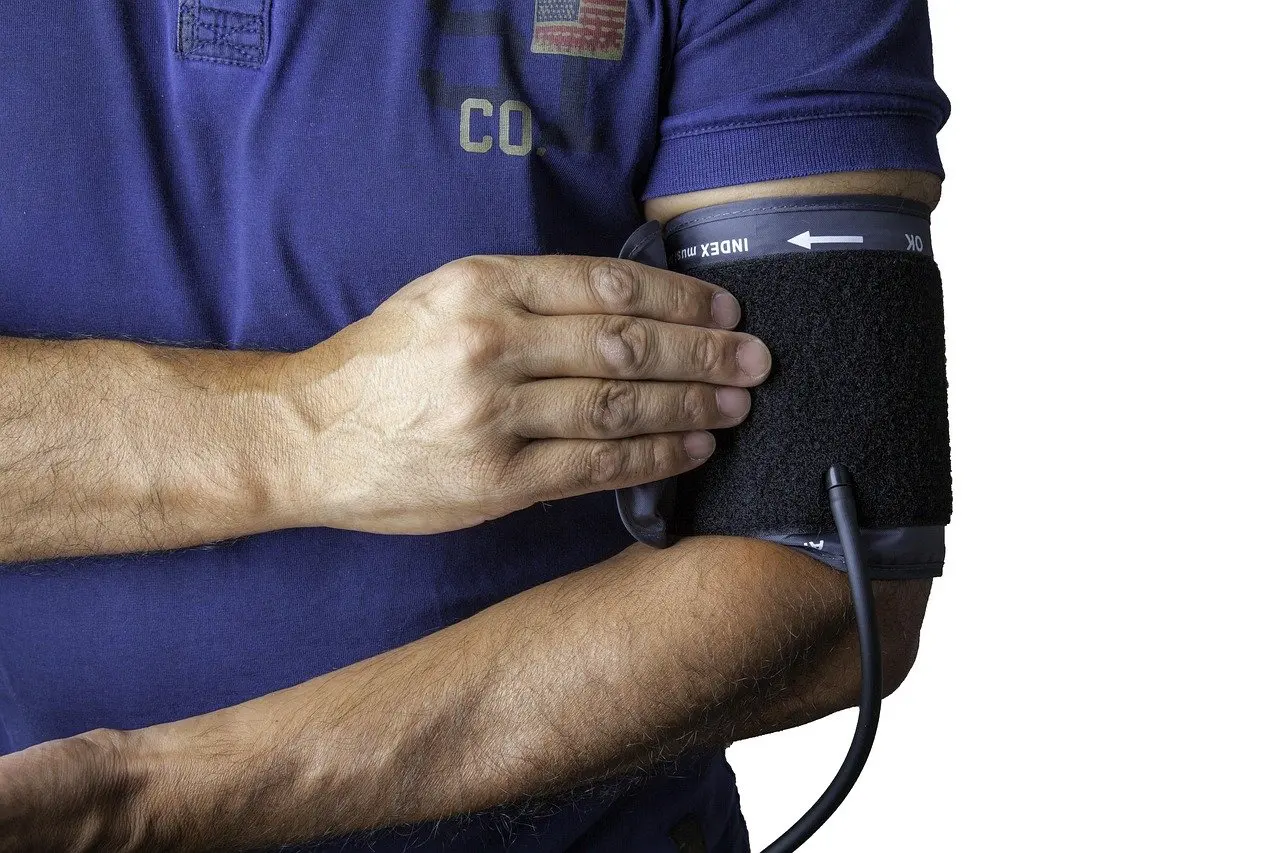
People who check their blood pressure at home should keep doing so on the schedule their clinician recommends. If a Mediterranean-style pattern is adopted, the readings are still the practical way to see how things are going, and they are worth sharing at appointments.
Diabetes
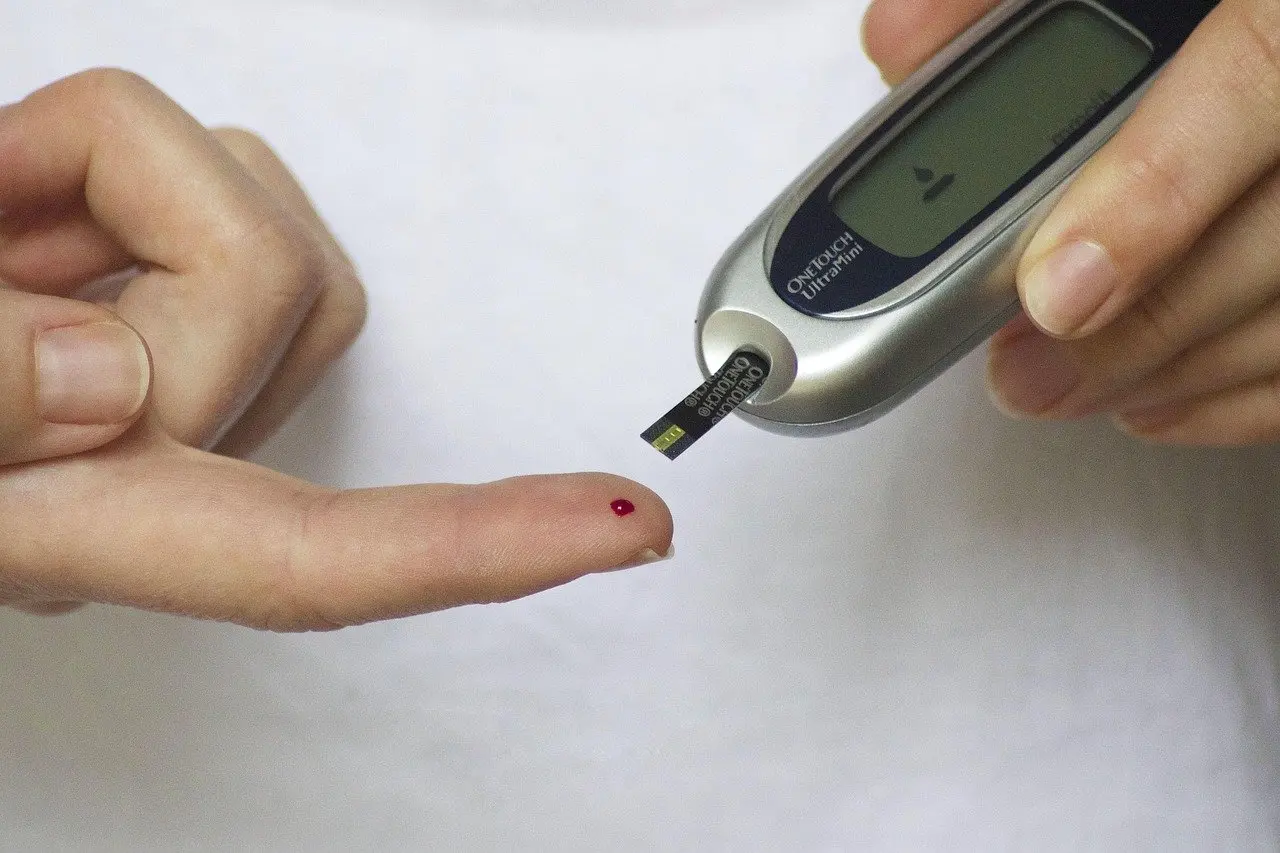
The same caution applies to diabetes. Glucose meter readings, medication and monitoring advice come from the person’s healthcare team. A Mediterranean-style pattern can be discussed with that team as part of overall eating, without treating the cardiovascular result as a diabetes claim.
Why randomization matters for the result
In a randomized trial, chance decides who follows which diet. The aim is for the groups to be alike in everything except the diet, so that a difference in heart disease can reasonably be put down to the diet itself.
That is why the household problem mattered. When household members were enrolled without randomization, assignment was no longer purely by chance for those participants, and the comparison became less clean. Removing the 1588 participants whose assignments were known or suspected to be affected was a direct test of whether the finding depended on them. It did not, which is the reason the republished result carries weight.
Even so, one trial has limits. Harvard describes PREDIMED as only a portion of the large body of evidence indicating the healthfulness of this dietary pattern. Confidence in the Mediterranean diet comes from that wider body of work and not from this single study alone.
Food choices in practice
The evidence supports a whole eating pattern, the traditional Mediterranean diet, and not a single miracle ingredient. It is better to build meals around the overall pattern than to add one food to an otherwise unchanged diet and expect the trial’s result.
Olive oil and nuts are among the foods most people picture when they think of this style of eating, and both are easy to introduce into everyday meals. They sit within a pattern and are not a substitute for it.
Adults who avoid meat can still follow the pattern, and the approach is covered in the guide to the vegetarian mediterranean diet. For a practical list of foods and meal ideas, the balanced eating hub remains the best starting point.
Frequently asked questions
Was the PREDIMED study discredited?
No. The 2013 paper was retracted over randomization problems, but the republished analysis omitting 1588 participants showed no significant change in the results.
Does the 30% figure mean my own risk will fall by 30%?
No. It describes the difference in cardiovascular disease incidence between the Mediterranean diet groups and the control diet across the trial, and individual outcomes vary.
Is PREDIMED the only evidence for the diet?
No. Harvard’s Nutrition Source describes it as one portion of a large body of evidence, and states that strong evidence supports the traditional Mediterranean diet as a healthy eating pattern.
Can the diet replace medication for blood pressure or diabetes?
The trial result concerns cardiovascular disease incidence and gives no basis for stopping prescribed treatment. Any change to medication should be agreed with a clinician.