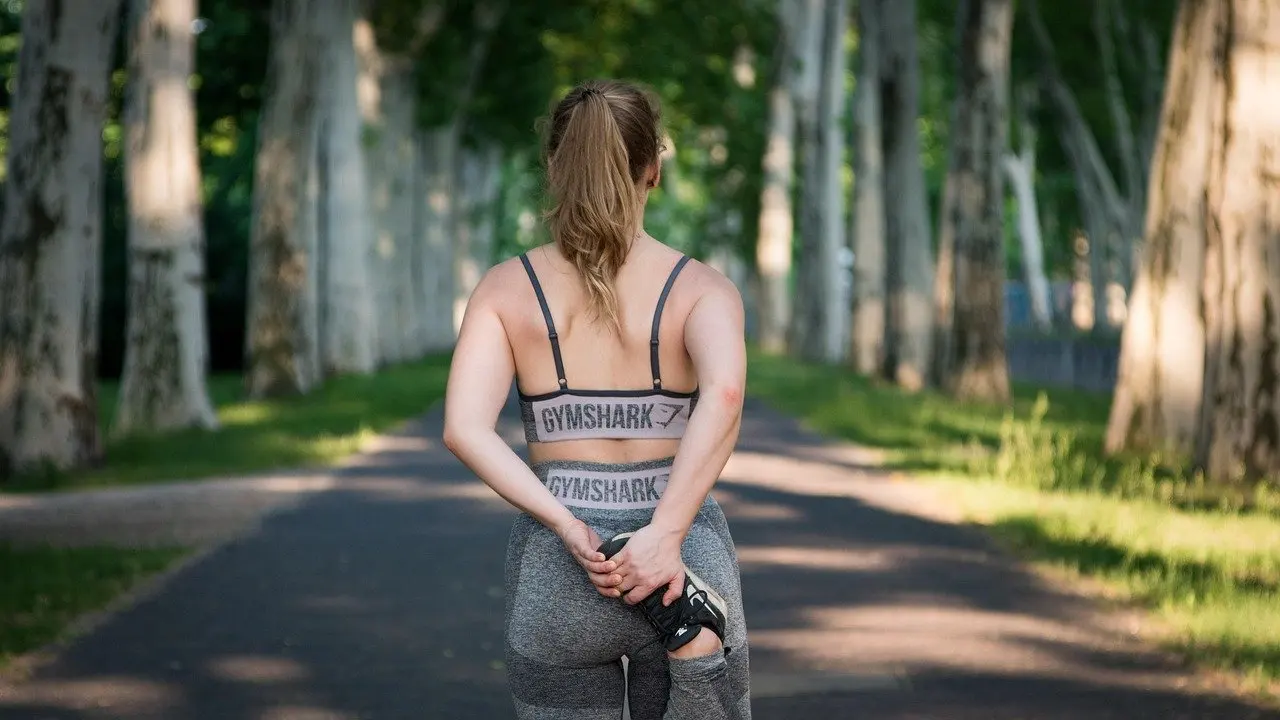
Finish a hard session, stop dead and feel dizzy? That is the signal to cool down after workout effort instead of walking straight off. A gradual slow-down is the simplest fix, and stretching comes after it.
Quick answer: Warm up with light cardio and dynamic stretches. Finish with slow, easy cardio, then hold static stretches while the muscles are warm. Piedmont Wellness Center suggests allocating 5 to 10 minutes to each of the warm-up and the cool-down.
Sessions like this sit inside a weekly plan, and the guide on how much exercise do adults need per week sets that plan out.
Slow down first
The simplest cool-down is not a stretch at all. It is a gradual slow-down of whatever you were just doing. Good Health Centre says the cool-down aids a gradual return to normal heart rate and helps reduce the pooling of blood in the larger muscles used during exercise. Daily Burn adds that blood pressure can drop suddenly after an abrupt stop, causing dizziness or lightheadedness.
This first stage suits everyone, whatever the session was. It is also the stage to protect if time is short.
- Keep moving. Do not sit or stand still the moment the hard effort ends. Carry on with the same activity at a much lower effort.
- Make it slow and easy. EOS Fitness strongly recommends about 5 minutes of slow, easy cardio directly at the end of the workout. A slow walk works after a run or a treadmill session.
- Let heart rate settle. Heart rate should drift downwards rather than drop abruptly. Move on to stretching once your breathing has eased.
Hold static stretches while muscles are warm
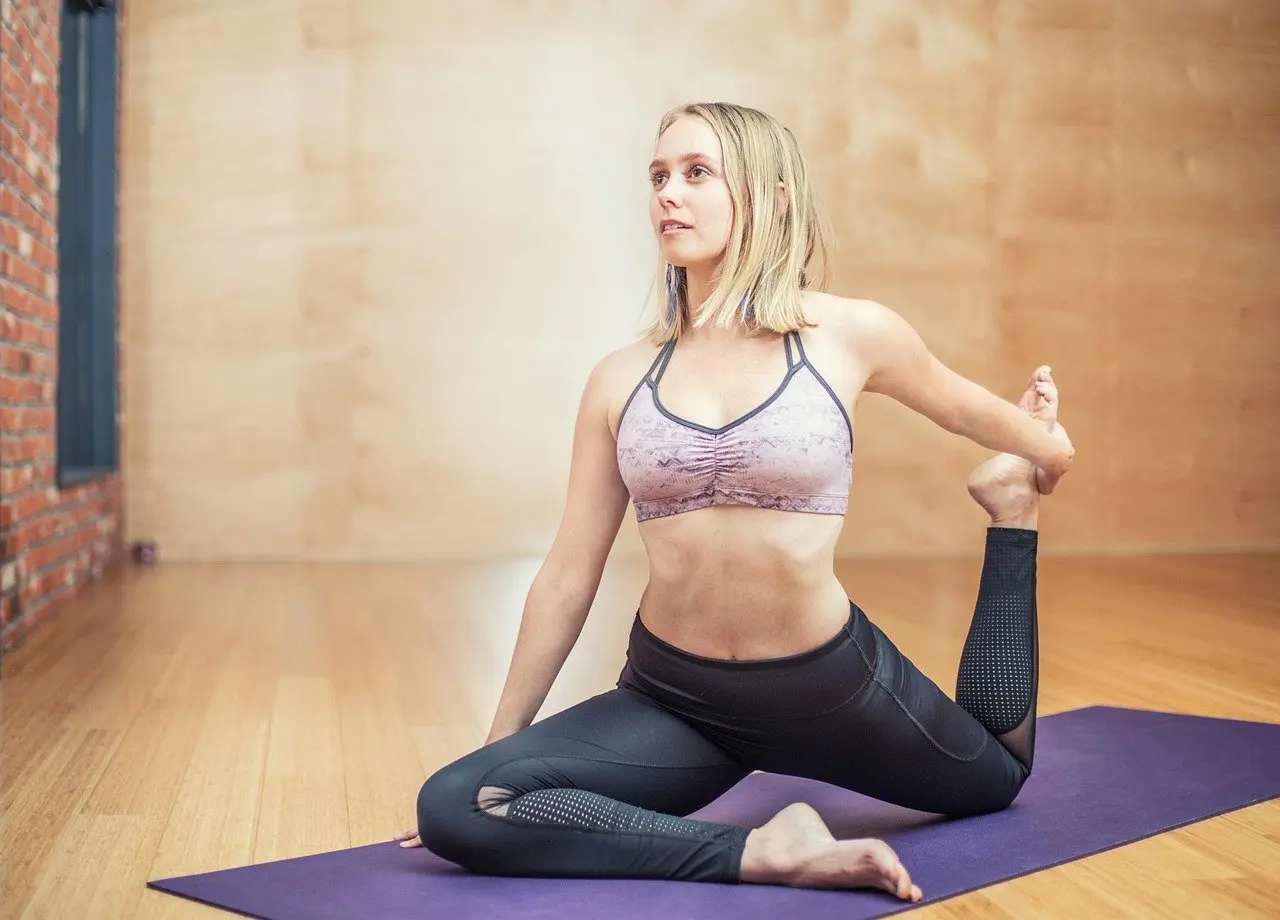
Static stretching is the next step up from the slow-down. It means holding a position without movement. EOS Fitness calls the period right after exercise the perfect time for static stretching to increase flexibility, because the muscles are warm. This stage suits anyone who wants to work on flexibility. It is optional when time is very short, because the slow-down protects heart rate and blood pressure.
Hold time and breathing
One cool-down routine from EOS Fitness recommends holding each stretch for 8 to 10 breaths. Counting breaths instead of seconds keeps the pace calm and stops you rushing through the sequence.
Which muscles to choose
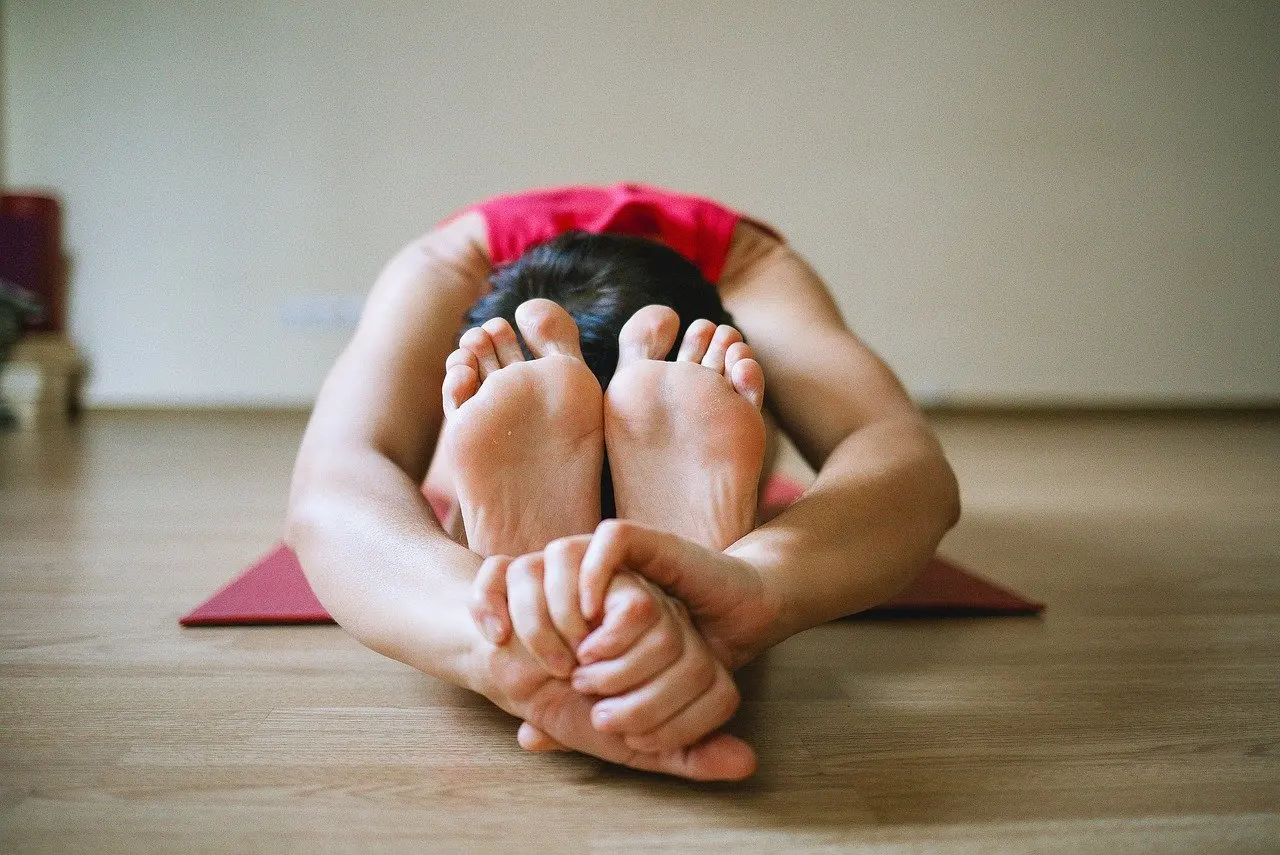
EOS Fitness advises stretching the muscles you focused on in the workout. Add the areas that feel most restricted. After a leg session, that means thighs, hamstrings and calves. After an upper-body session, it means shoulders, chest and arms. Choosing by what you trained keeps the routine short and relevant.
The comfort limit
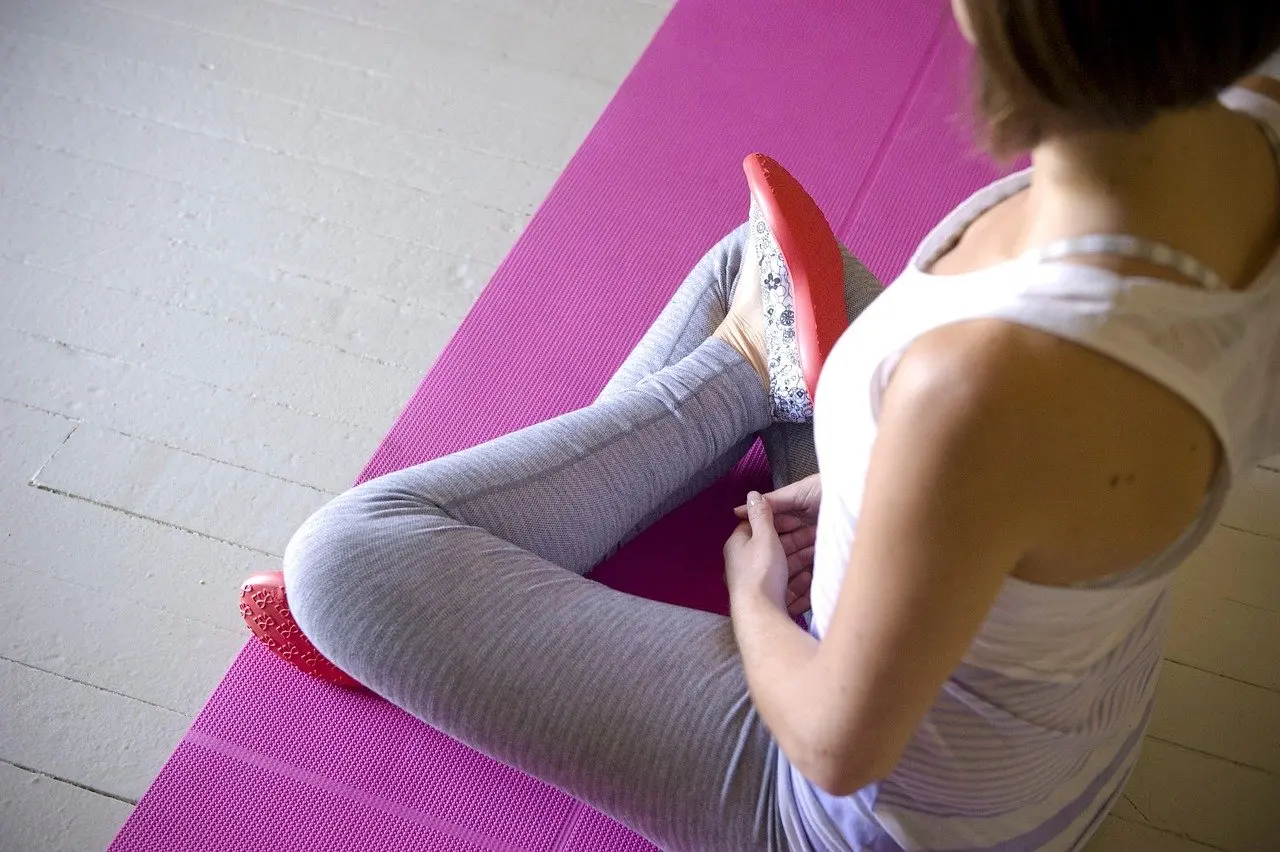
Buffalo Rehab is direct on this: don’t force your body into positions that cause pain. Stretch at a comfortable pace and ease out of any position that hurts. A stretch should feel like a gentle pull, not a strain.
Dynamic movements before you start
Dynamic stretching belongs at the other end of the session. Good Health Centre says the warm-up should be dynamic, meaning stretching with movement. It says warming up increases blood flow through a process called vasodilation. Piedmont Wellness Center describes a typical warm-up as light cardio and dynamic stretching exercises designed to increase blood flow.
A sensible order is a few minutes of easy cardio first, then movements that mimic the session ahead. Good Health Centre lists toe walks, heel walks, a spiderman walk, straight knee walks, spinal rotation and shoulder circles. Pick a handful that suit the session, and keep them smooth and controlled rather than forceful.
- Leg-focused sessions: toe walks, heel walks and straight knee walks prepare the lower body.
- Upper-body sessions: shoulder circles and spinal rotation loosen the shoulders and trunk.
- Mixed or full-body sessions: combine movements from both lists after the light cardio.
Dynamic and static stretching side by side
The two styles do different jobs, and swapping them around is the most common way to muddle a routine. Use the table to sequence them.
| Style | What it involves | Example movements | Planning use |
|---|---|---|---|
| Dynamic stretching | Stretching with movement, usually alongside light cardio | Toe walks, heel walks, spinal rotation, shoulder circles | Place it before the main session as the warm-up. |
| Static stretching | Holding a position; 8 to 10 breaths per stretch in one cool-down routine | Held stretches for the muscles you trained | Place it after the slow-down, while muscles are warm. |
Figures and examples come from Good Health Centre and EOS Fitness.
So the answer to whether to stretch before or after exercise is both, in different forms. Move before you start, and hold positions afterwards.
What a cool down does and does not achieve
A cool-down has clear, supported jobs. It helps bring heart rate down gradually, it reduces blood pooling in the working muscles, and it lowers the chance of the dizziness that follows an abrupt stop. The warm-up stretches, by contrast, are about blood flow and readiness.
Soreness is a different matter. Delayed onset muscle soreness is the ache that shows up a day or two after a hard session. EOS Fitness is blunt that soreness is a normal result of tough workouts, and it can’t be completely avoided. Cooling down is therefore not a guarantee against it. Judge a cool-down by how steady you feel afterwards, and expect some aching after unusually demanding sessions.
When to ease off or stop a stretch
Treat these points as checkpoints during the cool-down.
- Pain in a stretch: ease out of the position. A stretch should never push into pain.
- Dizziness or lightheadedness: this is the effect of an abrupt stop, so return to slow, easy movement instead of standing still.
- Short on time: keep the slow-down and trim the stretches to the muscles you used most.
If the cool-down tends to get dropped when energy runs low, the advice on how to stay motivated to exercise can help keep the whole session intact. Food timing is a separate decision, and what to eat before and after exercise covers it.
Frequently asked questions
How long should a warm up and cool down last?
Piedmont Wellness Center suggests 5 to 10 minutes for each. EOS Fitness says to reserve at least 15 minutes at the end of a workout for a full cool-down with several stretches. Choose the shorter window for a brief slow-down and the longer one when you want to stretch several muscles.
Should I stretch before or after exercise?
Use dynamic stretching before, as part of the warm-up. Keep held static stretches for afterwards, when the muscles are warm.
What is delayed onset muscle soreness?
It is the ache that appears a day or two after a workout, according to EOS Fitness. It is a normal result of tough workouts and cannot be completely avoided.