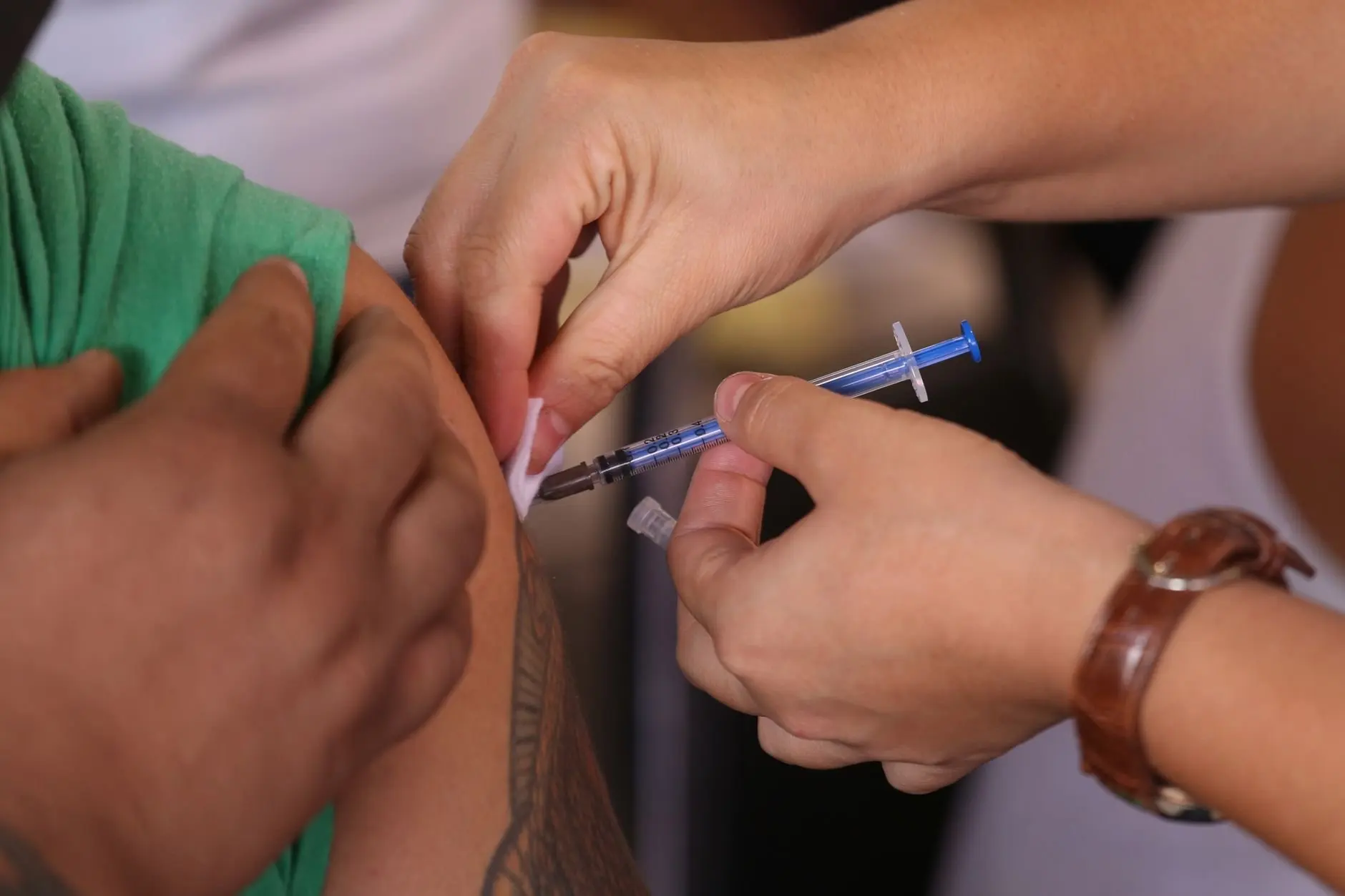
The calendario vaccinale adulti Italia sorts adult vaccines by age and risk group. The practical starting point is your own vaccination record, then your age, health conditions and region, then a check with a doctor or your local health authority.
This page is the route map. The adult vaccination schedule italy hub holds the wider overview, and each vaccine has its own page for detail. Here the focus stays on the order in which to work through the decisions.
Start with your vaccination record
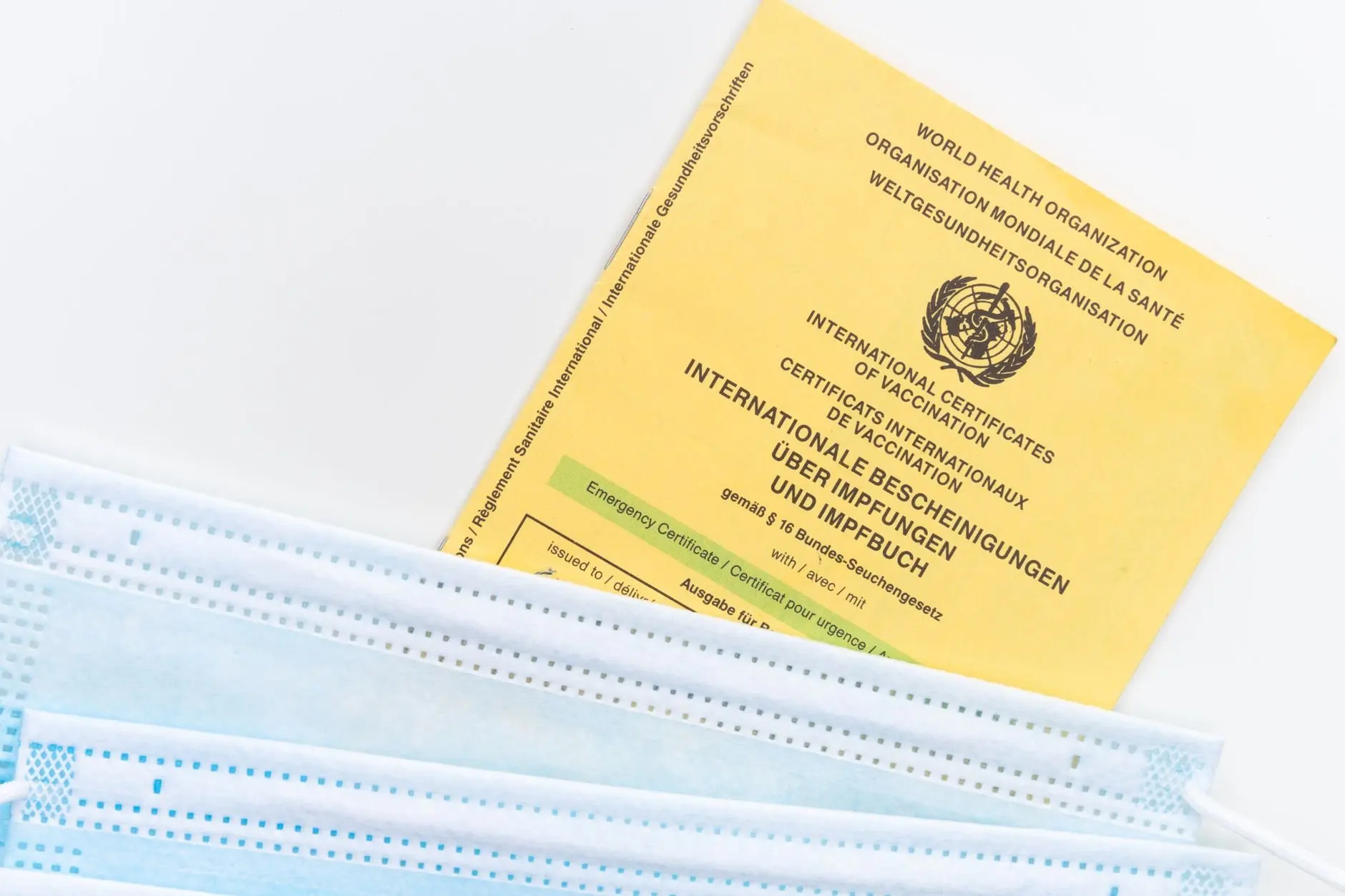
The schedule only makes sense once you know which doses you already have. Adults who skip this step tend to ask about vaccines they have already received, or miss ones they never completed. Collecting the record first also makes every later conversation shorter.

- Find the paper booklet. Look for childhood and military or workplace vaccination certificates, travel vaccination cards and any vaccination page kept with medical papers.
- Keep your health card to hand. The tessera sanitaria identifies you at the surgery and at the vaccination service, so it saves time at booking.
- List what is missing. Write down vaccines you cannot document, with approximate dates where you remember them, and bring the list to the appointment.
Match your age and risk group to the schedule
Adult vaccination in Italy is organised around the national prevention plan, known as the Piano Nazionale Prevenzione Vaccinale, issued by the Ministero della Salute. Regions then apply it through their own calendars, so the offer for adults can differ in detail from one region to another. Anyone searching for the piano nazionale prevenzione vaccinale adulti should therefore read the national text for the framework and the regional calendar for what is actually offered locally.
Three questions place you on the schedule:
- What is your age band? Many adult recommendations are tied to age, so the same person is offered different vaccines at different stages of life.
- Do you belong to a risk group? Chronic illness, a weakened immune system, pregnancy, certain jobs and some living situations can change which vaccines are advised and when.
- Which region are you registered in? The regional calendar is the document your local service follows.
A general practitioner who knows your history is usually the quickest person to translate these three answers into a short list. Bring the record from the first step so the doctor can compare it with what is advised for your profile.

Obligatory versus recommended vaccines
One is about legal obligation, which is set in legal texts published in the Gazzetta Ufficiale. The other is about recommendation, which comes from the national plan and regional calendars. Treat them separately. A vaccine being recommended does not mean it is legally required, and an adult who assumes otherwise may either worry unnecessarily or overlook a free offer. For any specific vaccine, ask the doctor or the vaccination service which category it falls into for you.
Vaccines that need their own decision
A single overview cannot hold the detail of every vaccine without repeating the dedicated pages. Some vaccines are better handled on their own because eligibility depends on a personal factor rather than on age alone.
Influenza and herpes zoster
The influenza vaccine and the herpes zoster (shingles) vaccine are two products adults often ask about together, but they are not decided in the same way. Whether either is offered to you depends on your age, any underlying condition and the regional calendar. Ask about both at the same appointment so the doctor can say which apply and whether they can be planned together, rather than discovering them one at a time.
Tetanus and other routine boosters
Tetanus is the clearest example of a routine adult vaccine with its own timing question. The page on richiamo antitetanica adulti ogni quanti anni explains how to think about the interval, so it is not repeated here. Use your record to see when a tetanus-containing dose was last given before booking anything.
Weakened immune system
Adults with a weakened immune system should not rely on the general adult schedule alone, because their advice can differ from the standard calendar. The guide to vaccines for immunocompromised adults covers that situation, and the treating specialist should confirm the plan.

Booking and getting vaccinated
Once the doctor or the regional calendar says which vaccines are due, the next task is finding where to get them. The local health authority, the ASL, runs vaccination services, and its offer follows the regional calendar. The general practitioner can tell you whether a given vaccine is given at the surgery or only at the ASL service.
- Contact the ASL vaccination service for your area. Ask which vaccines on your list are offered to your age and risk group.
- Bring the record and the health card. Staff can then check the doses already given and record the new one in the same place.
- Ask for a written note of what was given. Keep it with the booklet so the next review starts from a complete record.
- Ask when the next dose, if any, is due. Writing the answer down avoids relying on memory years later.
Troubleshooting common problems
- The booklet is lost. Ask your general practitioner and the ASL whether any record of earlier doses exists. If none can be found, the clinician can advise how to proceed from there.
- Two sources seem to disagree. Treat the national plan from the Ministero della Salute as the framework and your regional calendar as the local rule, then ask the vaccination service which one applies to your case.
- A dose seems overdue. Ask the clinician how to continue from the doses already recorded rather than assuming the whole series must be repeated.
- You are unsure whether a vaccine is obligatory. Check the legal status of that specific vaccine with the ASL, because recommended and obligatory are different categories.
- Your health situation changes. A new diagnosis or treatment can change which vaccines are advised, so raise it at the next visit and review the list.
Frequently asked questions
Where should an adult start when checking vaccines?
Start with the vaccination record, then compare it with the recommendations for your age band, risk group and region. A general practitioner can do that comparison with you.
Is the national plan the same as my regional calendar?
No. The national plan from the Ministero della Salute sets the framework, and each region applies it through its own calendar. Your local service follows the regional one.
Are all recommended vaccines obligatory for adults?
No. Recommendation and legal obligation are separate categories. Confirm the status of a specific vaccine with the ASL or your doctor.
Can the influenza and shingles vaccines be discussed together?
Yes. Raising both at one appointment lets the doctor say which apply to your age and conditions and whether they can be planned together.