Quick answer: Vaccines for immunocompromised adults are mostly non-live vaccines. Live-attenuated vaccines are generally avoided in severe immunocompromise, and the timing around each therapy is set with the treating specialist.
The baseline for healthy adults is on the adult vaccination schedule italy hub. This guide covers what changes when immunity is reduced by therapy, transplant or cancer treatment. Questions about a measles outbreak italy are common among these patients. The treating team can say which protective steps suit each person.
Live and non-live vaccines: the first choice
A live-attenuated vaccine contains a weakened form of the germ, so the first decision is whether a vaccine is live or non-live. Healthgrades notes that people with severely compromised immune systems should not receive live-attenuated vaccines such as the older zoster vaccine. It also notes that flu shots for immunocompromised people and their household contacts should not contain a live attenuated vaccine.

Four criteria help decide which route suits a given person:
- Vaccine type. Non-live vaccines are the default for weakened immunity. A live product needs an explicit specialist decision.
- Degree of immune weakness. The caution is strongest for severely compromised immunity, so the severity of the condition matters as much as the diagnosis.
- Current treatment. Immunosuppressive therapy and some cancer treatments lower the immune response, which affects both safety and how well a vaccine works.
- People at home. Household contacts are also advised to take non-live flu shots, which gives the patient indirect protection.
Comparison of common options
| Vaccine | Live or non-live | Position for weakened immunity | Planning use |
|---|---|---|---|
| Recombinant zoster (Shingrix) | Non-live; no live virus | Newer vaccine reported as safe for immunocompromised people | The usual shingles choice when immunity is reduced |
| Zostavax (first shingles vaccine, approved 2006) | Live-attenuated | Generally avoided in severe immunocompromise | Do not accept it without specialist approval |
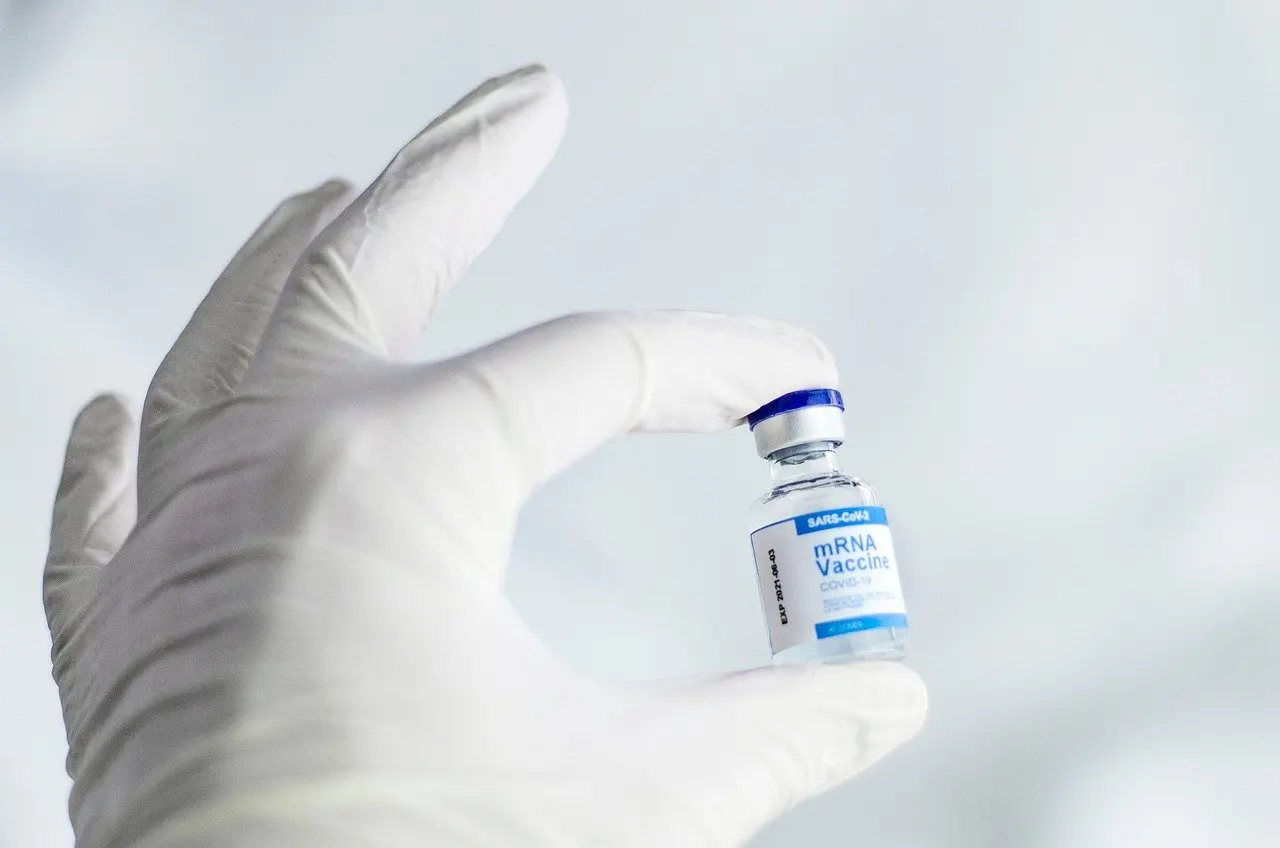
| COVID-19 vaccines | Non-live | Considered safe for most people with compromised immune systems | Recommended; discuss timing with the treating team |
| Influenza shot | Non-live (not live attenuated) | Advised for immunocompromised people and household contacts | Check that the product is the injected non-live type |
| Pneumococcal vaccine | Not described as live | Especially relevant for immunocompromised adults; PCV13 is recommended in congenital or acquired immunodeficiency | Ask which product and which interval apply |
The comparison draws on Healthgrades and the American Family Physician adult vaccination review.
Timing around therapy
Immunosuppressive therapy deliberately weakens the immune response. According to Healthgrades, it is used when someone receives an organ transplant or has an autoimmune disease. Because the response is reduced, the same vaccine can work less well while therapy is under way. For that reason timing is part of the decision, not an afterthought.

Before an immunosuppressant
No single lead time applies to every drug, so the prescribing specialist should set it. The practical step is to raise vaccination at the first treatment discussion and ask which vaccines are due, which are non-live and which should be completed first. Doing this before therapy starts keeps the choice open.
Afterwards, monitoring matters. Healthgrades states that post-vaccination monitoring is especially important for immunocompromised people, to ensure a healthy immune response.
During chemotherapy
Healthgrades states that certain cancer treatments can lower immunity temporarily. Patients on chemotherapy are therefore not simply “allowed” or “forbidden” vaccines. Non-live options such as the injected flu shot and COVID-19 vaccines are the types described as suitable for weakened immunity, and live vaccines are the ones to avoid. The oncology team decides where each shot fits in the treatment calendar. Patients should bring their cycle dates to that conversation.
Vaccines after an organ transplant
Transplant recipients take immunosuppressive therapy, so the rules above apply to them in full. Non-live vaccines are the starting point, and live-attenuated vaccines are generally avoided where immunity is severely compromised. The transplant centre decides when after surgery each vaccine can be given, and the evidence supplied here does not support a single universal start date. Ask the centre for a written vaccination plan rather than relying on a general rule.
Household contacts can help. Their non-live flu shots are advised alongside the patient’s own vaccination.
Shingles vaccine with weakened immunity
Immunocompromised adults can receive the recombinant zoster vaccine. It contains no live virus, and a 2021 study discussed by Healthgrades suggests it is safe for immunocompromised people. The National Council on Aging says vaccination is recommended for some adults aged 19 and older with compromised immune systems. The American Family Physician review adds that herpes zoster vaccine is indicated for all adults 50 years and older, as two doses of recombinant vaccine against shingles and postherpetic neuralgia.
The dosing interval is where immunocompromise changes the plan. The usual schedule is two doses, normally 2 to 6 months apart. People who are immunocompromised can receive the second dose 1 to 2 months after the first, so protection is completed sooner. The older live zoster vaccine is the one to avoid in severe immunocompromise.
Pneumococcal vaccine
The pneumococcal vaccine is especially relevant for immunocompromised adults and for those with chronic medical conditions, according to the American Family Physician review. It advises that adults aged 19 to 64 with medical risk factors should receive it. The National Council on Aging reports that US CDC guidelines recommend pneumococcal vaccination for all adults aged 50 and older and for younger adults with certain medical conditions. Healthgrades adds that the CDC recommends the PCV13 vaccine for people with congenital or acquired immunodeficiency. The product and number of doses depend on the person, so ask the specialist or vaccination centre to confirm them.
Troubleshooting and planning
Most problems come from coordination between teams, not from the vaccines themselves. The cases below are the usual ones.
- Different clinicians give different advice. Ask the specialist managing the therapy to decide, and give the vaccination centre their written advice.
- Unsure whether a product is live. Check the name before the appointment. Zostavax is live-attenuated, while Shingrix and the COVID-19 vaccines are non-live.
- A dose falls during a treatment break or cycle. Let the oncology or transplant team move it, and do not skip it.
- Unclear what is already done. Keep one record of vaccines and dates, and compare it with the calendario vaccinale adulti Italia to see what remains.

After any dose, watch how the body responds and report concerns to the team. This follows the monitoring point above and helps confirm that the immune response is developing as intended.
Frequently asked questions
Are COVID-19 vaccines suitable for people with weakened immunity?
Yes for most people. Healthgrades says COVID-19 vaccines are not live-attenuated and are safe for most people with compromised immune systems. The American Family Physician review reports that vaccination decreases the need for hospital care by up to 77% in immunocompromised patients.
Should family members be vaccinated too?
Yes. Healthgrades advises non-live flu shots both for immunocompromised people and for their household contacts.
How well does the recombinant zoster vaccine work?
The American Family Physician review cites a US advisory committee (ACIP) figure of 91.2% effectiveness for prevention compared with placebo. That figure comes from the general trial population, not specifically from immunocompromised patients.
Can the gap between pneumococcal doses be shortened?
Yes for some products. The American Family Physician review says the interval between PCV15 and PPSV23 can be shortened to eight weeks for individuals with immunocompromising conditions, instead of one year. The specialist confirms which products apply.