| Topic | Supported detail | Planning use |
|---|---|---|
| Number of doses | Conjugate vaccine is given once in a lifetime. High-risk adults may receive one extra dose 1 year after the last vaccination, at the doctor’s discretion. | Do not plan routine repeats. Ask the doctor whether a high-risk profile justifies the extra dose. |
| Age | Swiss guidance recommends a single PCV dose for all people over 65. | Use 65 as a prompt to raise the question with the GP, then confirm the local offer. |
| Risk conditions | Chronic alcoholism, asplenia, diabetes, chronic obstructive lung disease, severe asthma and heart failure are listed conditions. | Adults below the age prompt who have these conditions should ask earlier. |
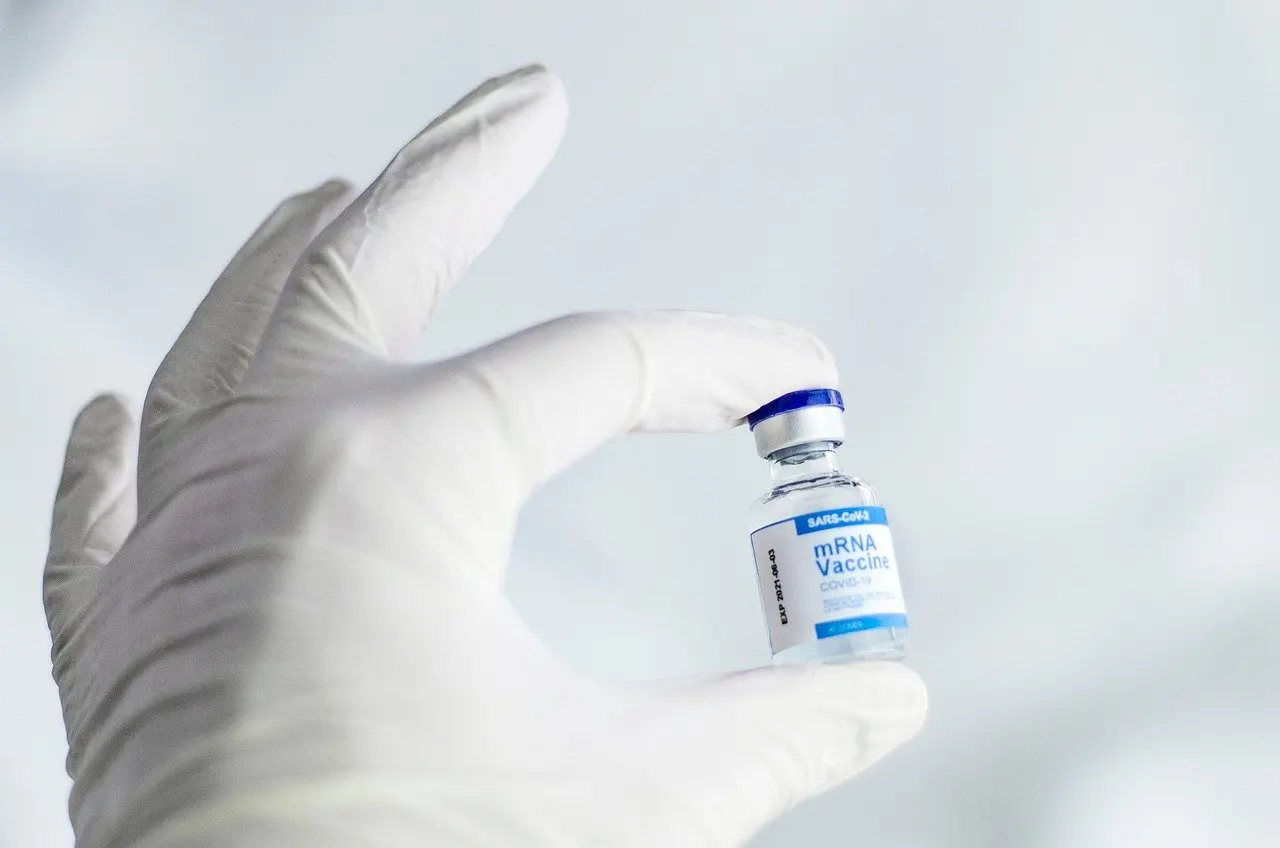
| Product types | PCV13 covers 13 serotypes, PCV20 covers 20, and PPSV23 covers 23 but is not conjugated to a protein. PCV21 is authorised from age 18. | Ask which product is available and which one the doctor prefers for your profile. |
| Previous PCV13 | The recommended interval after the last PCV13 dose is 1 year. | An earlier PCV13 dose does not close the question. Ask whether a newer product now applies. |
These figures come from the Humanitas vaccine encyclopaedia and the Swiss vaccination information service Infovac.
The vaccino pneumococco adulti choice in Italy starts with age and health conditions. A conjugate vaccine is given once in a lifetime, and a doctor judges whether an extra dose suits a high-risk adult.
For the wider picture of which shots adults are offered and when, see the adult vaccination schedule italy overview.
Who should consider the vaccine
Adults with chronic conditions and older adults gain the most from pneumococcal vaccination. Humanitas describes the vaccine as recommended for at-risk adults, with chronic alcoholism, asplenia and diabetes given as examples. Infovac adds chronic obstructive lung disease, severe asthma and heart failure to the conditions that make people vulnerable, and calls infections dangerous for people with chronic cardiopulmonary disease and for over 65s.
An expert quoted by Il Sole 24 Ore explains why this matters: in at-risk adults the chance of severe forms, including invasive disease, sepsis and meningitis, is much higher.
- Older adults: age alone is a reason to ask. Swiss guidance recommends a single PCV dose for everyone over 65, which gives a useful benchmark for the GP conversation.
- Adults with lung or heart disease: these groups face the most serious consequences of a pneumococcal infection, so they should not wait for an age threshold.
- Adults with asplenia, diabetes or alcohol dependence: these appear on the Humanitas list of at-risk conditions and justify a direct request to the doctor.
- Healthy younger adults: no supported recommendation applies by default. A newer conjugate vaccine is authorised from age 18, but whether it is offered depends on the doctor’s assessment.

Free offer and where to ask
Whether the dose is free depends on the regional calendar, the person’s age and the risk group, so the local ASL or the GP gives the definitive answer for a given region. Eligibility is therefore worth checking before paying for the vaccine privately.
A short list of diagnoses, including any chronic lung, heart or metabolic condition and any history of spleen removal, makes that conversation faster. The same visit can cover other adult vaccines, and readers reviewing their whole schedule can also read about the vaccino herpes zoster Italia offer.
Booster and timing
For most adults, one conjugate dose is the whole plan. Humanitas states that vaccination with the conjugate vaccine happens only once in a lifetime. It adds that a doctor may judge an additional dose appropriate for high-risk adults, given 1 year after the last vaccination.
That extra dose is a medical decision, not a routine booster. Adults who received PCV13 in the past should note the Swiss interval: the recommended gap after the last PCV13 dose is 1 year. According to Infovac, over-65s who were never vaccinated, or who had PCV13 more than a year ago, are invited to a single dose of a high-valency PCV, namely PCV20 or PCV21.
Vaccine types and how they differ
Three products dominate the adult discussion, and they differ in how many serotypes they target and in how they are made.
Adults were long protected with vaccines designed for children, as an expert quoted by Il Sole 24 Ore put it. The same report describes an adult-designed 21-valent vaccine, V116, which was under FDA priority review with approval expected on 17 June 2024. Infovac notes that the 21-valent conjugate vaccine Capvaxive is authorised from age 18.
Choosing between older and newer products
Estimated serotype coverage of invasive disease in over-65s in Switzerland rises with each generation: 27% for PCV13, 42% for PCV15, 66% for PCV20 and 77% for PCV21. For an adult who has not yet been vaccinated, this favours asking for one of the newer high-valency conjugate products rather than an older one. Adults already vaccinated with PCV13 should discuss whether an additional product is worthwhile, rather than assume the earlier dose is sufficient.
What the vaccine does not do
The vaccine targets Streptococcus pneumoniae, so it is not a vaccine against pneumonia from every cause. Humanitas notes that more than ninety serotypes are known, and each product covers only a subset of them. A vaccinated adult can therefore still meet an uncovered serotype or an infection from a different organism.
The value of vaccination lies in reducing the chance of the most serious pneumococcal outcomes. Infovac estimates that pneumococci cause more than 1000 serious illnesses a year in Switzerland, and it also names them as the leading cause of meningitis in children under 5 after Hib vaccination. Even a vaccinated adult with a persistent cough or fever should still seek medical assessment.
Frequently asked questions
Can it be given at the same visit as the flu vaccine?
Yes. Humanitas says pneumococcal vaccination can be given alone or at the same time as other vaccinations, such as the flu shot. The vaccino antinfluenzale adulti Italia guide covers the seasonal side.
How is the vaccine given?
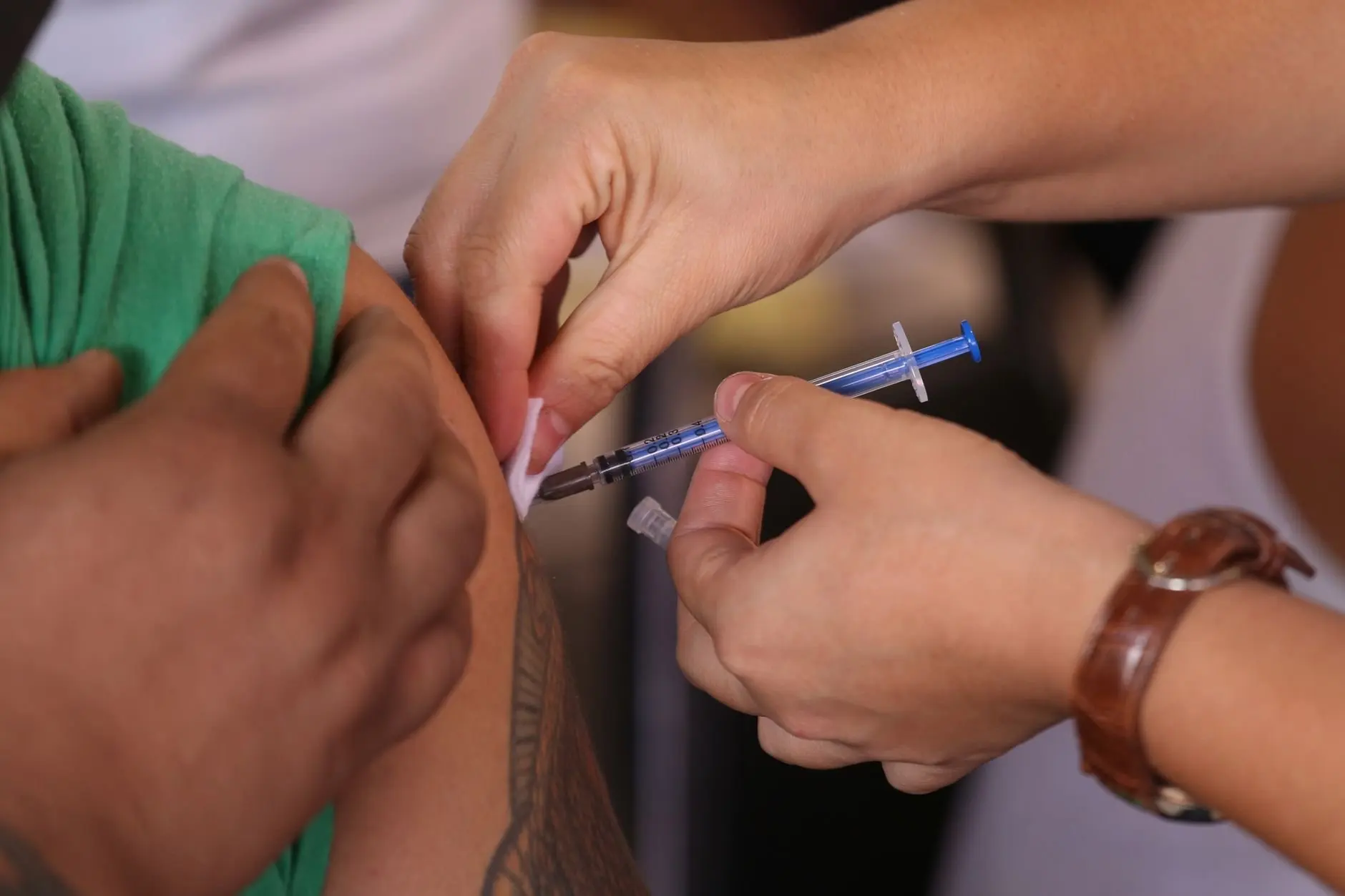
It is given by intramuscular injection in the arm.
Is it too late if I was never vaccinated?
No. Infovac states that it is never too late to catch up on one or more vaccinations, so an unvaccinated adult can still ask the doctor about a dose.
How many pneumococcus types exist?
More than ninety serotypes of Streptococcus pneumoniae are known. This is why different vaccines list different serotype counts.