For vaccino meningococco adulti, the choice is between MenACWY (serogroups A, C, W, Y) and MenB (group B), and depends on situation: shared student housing, travel to high-risk areas or a medical condition.
Italy does not use a single adult recommendation. The right vaccine and the cost of getting it vary with your circumstances, so this guide sorts them by situation. The wider adult picture is in the adult vaccination schedule italy guide.
Why there are two adult meningococcal vaccines
Neisseria meningitidis is the bacterium behind meningococcal meningitis and bloodstream infection. It exists in 12 serogroups, and 5 of them (A, B, C, Y and W135) cause invasive disease. A vaccine built against one group does not automatically protect against another, which is why Italy uses separate products.
The disease is uncommon but serious. The same source reports that about 150–200 cases of meningococcal meningitis are confirmed in Italy each year. It is most frequent in children under 1 year and in people aged 12–21 years. Even with treatment, it causes death in 10–15% of cases.
Group B has been the dominant cause in Italy. Between 2007 and 2011, MenB was responsible on average for about 61% of total cases. That share explains why MenB is part of the adult conversation, even though MenACWY is the vaccine most closely tied to schedules, travel and risk conditions.
MenACWY and MenB at a glance
| Vaccine | Serogroups covered | Main adult use | Planning use |
|---|---|---|---|
| MenACWY (conjugate) | A, C, W and Y | Adolescent booster, shared student housing, travel to areas where these groups circulate, Saudi pilgrimages, listed medical conditions | The default choice when the question is travel, a pilgrimage or a clinical risk condition. |
| MenB (four-component) | Group B only, using four surface components of the bacterium | Protection against the group that has caused most Italian cases | Ask a doctor whether to add it, particularly for young adults in close-living settings. |
The vaccine descriptions come from the Vaccinarsi page on the conjugate vaccine and the Vaccinarsi nelle Marche page on the four-component vaccine.
The two vaccines are not interchangeable. MenACWY leaves group B uncovered, and MenB leaves A, C, W and Y uncovered. A person who has had one has not had the other.
Choosing by situation
University students
The clearest student indication is first-year university students living in colleges or shared residences who are not adequately vaccinated, according to Vaccinarsi. The point is the housing, not simply being enrolled. A student commuting from the family home faces a different exposure than one sharing a residence with many new people.
MenACWY is the vaccine to settle first. Check whether the adolescent booster was received, because Italian regional calendars offer it between 12 and 18 years. A student who had it at school may already be covered.

MenB for students is a judgement call. A US clinical summary describes MenB vaccines as optional, decided by the provider and patient, and not universally recommended for college freshmen. Another US summary notes MenB may be given at ages 16 to 23 years for short-term protection, with more than one dose for best protection. Those are US positions, but they show how the decision is framed: individual, with a doctor, rather than automatic.
Travellers and pilgrims
Travel changes the question from personal risk to destination rules. Vaccinarsi lists prolonged travel or stays in countries where meningococcal disease is common as an indication, and says the vaccine is mandatory for participation in pilgrimages to Saudi Arabia. For Hajj travellers, that makes MenACWY a requirement rather than a preference.
A cystic fibrosis research foundation’s Q&A names the sub-Saharan “meningitis belt” and the pilgrimages to Mecca as typical higher-risk travel. It recommends MenACWY for travel to countries where these serogroups are present.
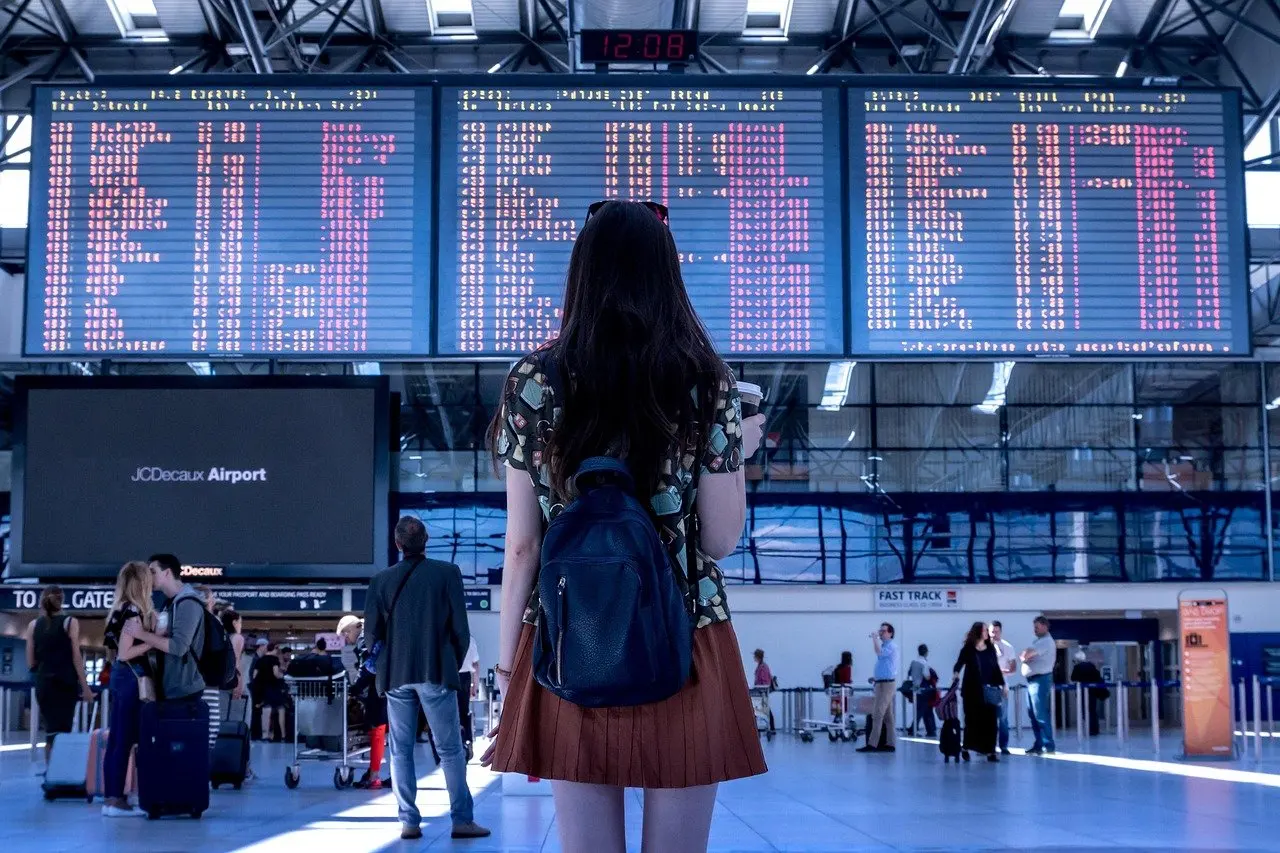
Check the entry rules for your destination early, because a required vaccine may need to be completed before departure. For a short stay in a low-risk country, the destination rule and the length of stay matter more than the general advice for pilgrims or visitors to the belt.
Medical conditions
Some clinical conditions put a person in the strongly recommended group for MenACWY. Vaccinarsi lists haemoglobinopathies such as thalassaemia and sickle cell anaemia, asplenia, immunodeficiency, HIV and type 1 diabetes. If you have one of these conditions, ask the treating specialist about MenACWY rather than waiting for a student or travel trigger. The same conditions also bear on whether a doctor suggests adding MenB.
Doses and timing
That makes MenB the one to start early. Beginning it only a few days before term or a trip would leave the course incomplete.
For MenACWY, the adolescent schedule in Italy is a booster dose, offered by regional calendars between 12 and 18 years. For adults whose risk continues, such as repeated travel to affected areas or a persisting clinical condition, a booster every 5 years may be indicated. A single shot before one trip does not justify a repeat; continuing exposure does.

Italian adults should follow their own regional calendar and the advice of the doctor or vaccination centre.
Who gets it free and how to ask
Free access follows the regional calendar and risk categories, not the wish to be vaccinated. The adolescent MenACWY booster sits in the regional calendars. Adults outside that window, including students and travellers, should ask their local health service (ASL) or vaccination centre whether the vaccine is offered free for their situation, or whether it must be paid for.
Bring your vaccination record. It shows whether an adolescent booster was given and avoids a duplicate dose. People in the clinical risk groups listed above should raise the question with their specialist, who can request vaccination through the regional service. Adult vaccines are organised region by region, so the same question applies to other vaccines, such as the vaccino herpes zoster Italia or the richiamo vaccino covid adulti Italia.
Vaccination does not replace urgent care
Vaccines do not cover every cause of meningitis, and MenACWY and MenB each address only their own serogroups. Because meningococcal meningitis causes death in 10–15% of cases even with treatment, suspected meningitis is an emergency whatever your vaccination status. Seek urgent medical care at once instead of waiting to see whether it passes.

Frequently asked questions
What side effects can adults expect?
For MenACWY, headache, myalgia and fatigue prevail in adolescents and adults. For MenB, common reactions are injection-site pain, malaise and headache.
From what age can MenACWY be used?
It can be used from 1 year of age, so adults are well within the range.
How well does the MenACWY booster work?
Vaccinarsi reports that over 90% of recipients develop a protective response after the adolescent booster dose. The older polysaccharide type of vaccine protected for a more limited time, on average 3–5 years.
Does MenB cover every group B strain?
No. It protects against almost 90% of group B strains, according to the cystic fibrosis research foundation’s Q&A, so vaccination lowers risk rather than removing it.