What is the Mediterranean diet? It is a mostly plant-based eating pattern built on produce, whole grains, legumes, nuts and olive oil, with lean poultry and fish, and it is best understood as a lifestyle rather than a strict diet.
For everyday food choices, the Balanced Eating for Adults hub works through dieta mediterranea cosa mangiare in practical terms. This article stays on the definition, the origin of the name and the reasons the pattern is linked to adult health.
Definition and core food groups
The Mediterranean diet is a pattern of eating, not a product or a calorie target. Banner Health describes it as a plant-based diet that focuses on lean meats such as poultry and fish, together with produce, whole grains, legumes, nuts and olive oil. The Mayo Clinic Diet frames the same core as daily fruits, vegetables, legumes and whole grains, healthy fats (especially olive oil), and minimal red meat and ultraprocessed foods.

Two descriptions from different organisations agree on the shape of the pattern. Plants form the base, olive oil is the main added fat, and animal foods and heavily processed products play a smaller part. That shared shape is the useful definition, because individual food lists vary from one source to the next.
Olive oil as the central fat
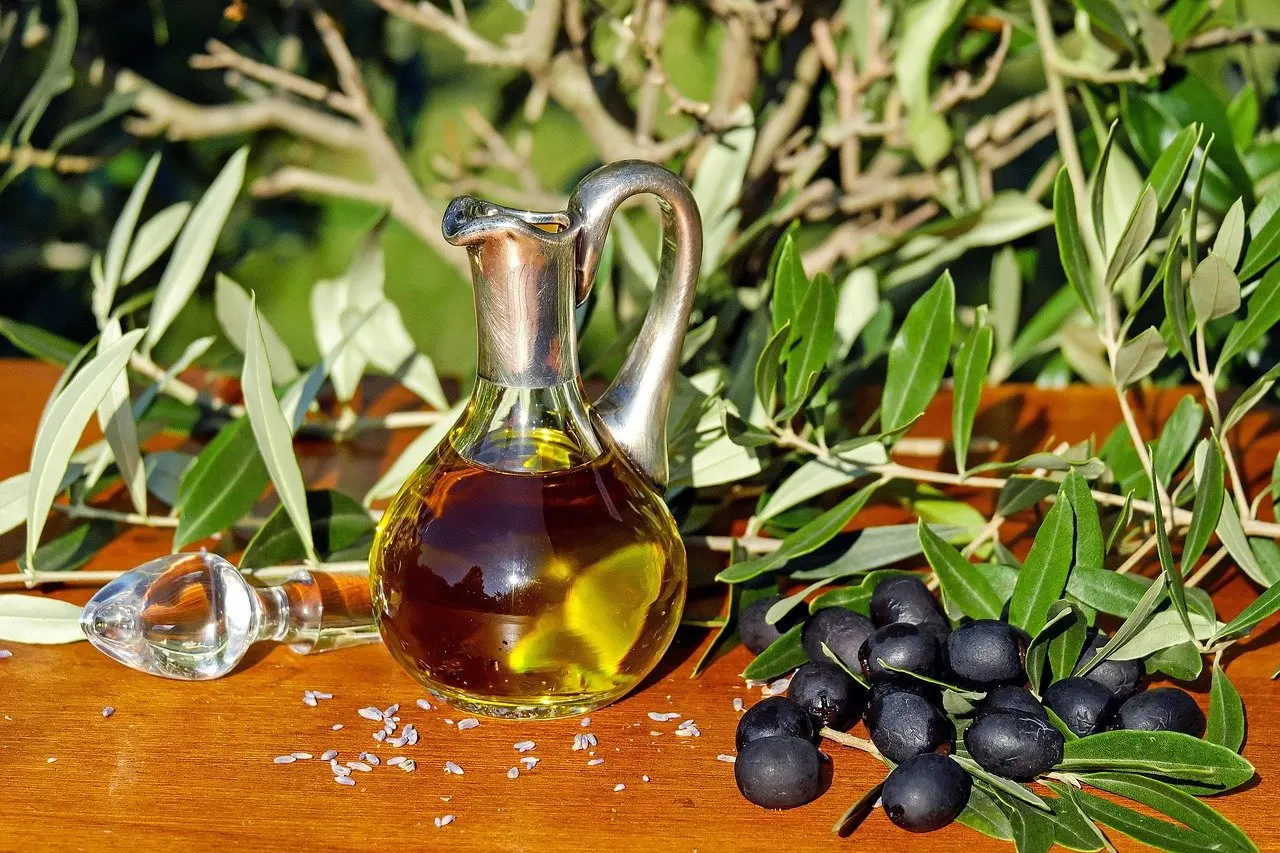
Olive oil is the fat most closely tied to the pattern. In practice it replaces other added fats rather than being added on top of them. This distinction matters, because a diet that keeps its old fats and adds olive oil is no longer the same pattern.
Legumes and whole grains as the daily base
Legumes and whole grains sit beside fruit and vegetables in the daily core described by Mayo Clinic Diet. They are the foods that make the pattern plant-led. A meal built around beans, lentils or chickpeas and a whole grain already matches the definition before any fish or poultry is added.

How often each group appears across a week is a separate question. The mediterranean diet pyramid sets that out, so it is not repeated here.
Origin of the term and the Seven Countries Study
The name Mediterranean diet comes from a researcher, not from a tradition. In 1960, Ancel Keys, the American physiologist who launched the Seven Countries Study, coined the term, according to AARP’s account of the research. The pattern he named was rooted in the traditional eating habits of countries bordering the Mediterranean Sea, as the Mayo Clinic Diet puts it.
| Item | Detail | Why it matters |
|---|---|---|
| Study start | 1950s, thousands of middle-aged men aged 40 to 59 | The original group was men of one age band, which limits how far the early findings reach on their own. |
| Countries compared | Finland, Greece, Italy, Japan, the Netherlands, United States, former Yugoslavia | The study compared very different diets side by side, and Italy was one of the seven. |
| Name of the pattern | Coined in 1960 by Ancel Keys | The label is a researcher’s summary of shared habits, not an official national cuisine. |
| Risk factors reported | High serum cholesterol, high blood pressure, diabetes and smoking | These were reported as universal risk factors for coronary heart disease, so diet is one factor among several. |
These figures come from AARP’s summary of the Seven Countries Study.
The researchers found that people in the Mediterranean-sea countries ate, for the most part, a plant-based diet. That diet seemed to have a protective effect on heart health and longevity. The wording matters. It describes an observed link in a particular group of adults, and it does not promise an outcome for any one person.

With the origin clear, the next question is why a pattern built from these foods should matter for adult health.
How the pattern works for adult health
The pattern works as a combination of habits, not through any single ingredient. The sources supply no single mechanism and none should be assumed. They describe several features that operate together, which are easiest to follow in order.
- Plant foods fill the base. Daily fruit, vegetables, legumes and whole grains make most of the plate plant-led, as the Mayo Clinic Diet describes the pattern.
- Olive oil supplies the fat. The Mayo Clinic Diet names healthy fats, especially olive oil, as part of the daily core, so the main added fat comes from a plant source.
- Red meat and ultraprocessed foods shrink. Both are kept to a minimum, which leaves less room for them in the week.
- Eating habits support the food. The Mayo Clinic Diet calls the pattern a lifestyle built on mindful eating, social meals and sustainable choices.
The first three stages change what is on the plate. The fourth changes how food is eaten, and it is the one most often dropped when the pattern is reduced to a shopping list. Shared meals are part of the traditional picture, not decoration, and a pattern that is enjoyable and social is easier to keep up for years.
The practical implication for adults is that results depend on the whole pattern being followed. Adding olive oil to an otherwise unchanged diet, or eating fish while keeping a high intake of ultraprocessed foods, leaves most of the definition unmet. The protective link reported by AARP was observed in people eating a mostly plant-based diet, so the plant base is the part to protect first.
Weight loss or general eating pattern?
The Mediterranean diet is a general eating pattern, not a weight-loss diet. Banner Health says plainly that it is not a weight-loss diet, per se, although people may see positive results on their waistline when it is combined with a balanced lifestyle. Mayo Clinic Diet likewise calls it not a strict diet but a lifestyle.
The pattern suits adults who want a long-term way of eating, not a short programme with a fixed end date. It is a poor fit for someone who wants a set calorie target or a quick result, because the pattern does not supply one.
One condition applies to anyone watching their weight. Banner Health notes that the high-calorie intake of olive oil and nuts may contribute to weight gain. Both foods are central to the pattern, and both are calorie-dense, so they need attention to amounts. Choosing them as the main fat and snack is a sound swap, while using them without regard to quantity can undo the benefit.
Traditional pattern versus modern version
The traditional pattern is the set of eating habits of the countries around the Mediterranean Sea, which Ancel Keys observed and named. The modern version is that same classic approach adapted for current daily life. The Mayo Clinic Diet describes it as a classic approach tailored for modern life.
The food groups do not change between the two. Produce, whole grains, legumes, nuts and olive oil remain the core, and red meat and ultraprocessed foods stay minimal. What modern versions add is structure. Programmes and pyramids translate the pattern into planned meals and frequencies, which a traditional household simply followed as habit. Banner Health’s pyramid is one example, and the Mediterranean-diet pyramid guide covers that kind of structure in detail.
The choice between them is mostly about support. A reader who already cooks from plants and shares meals may need no more than the definition. A reader who wants guidance on what to buy and cook will find planning tools useful, and turning the pattern into a week of cooking is covered in mediterranean diet meal prep. The risk with modern versions is losing the lifestyle side, so a plan that keeps the food groups but drops shared, unhurried meals covers only part of the definition.

Frequently asked questions
How much olive oil does the pattern suggest?
Banner Health’s version of the pyramid advises limiting olive oil to between one and four tablespoons a day, which treats it as a measured main fat rather than an unlimited one. The Banner Health guidance applies to that programme specifically.
How often should fish be eaten?
Banner Health lists fish and seafood among the foods to have ideally at least two times a week. Its wording is a frequency to aim for, not an upper limit, and appears in its pyramid guidance.
Is red meat allowed?
Red meat is not banned but kept rare. Banner Health says to limit red meat to a few times a month, and the Mayo Clinic Diet likewise asks for minimal red meat, as set out in Banner Health’s advice.